
When to replace an AC unit in Waterloo, IA
Get matchedYour AC is struggling through another sticky Waterloo summer, and you're trying to figure out if this is the year to replace it instead of calling for another repair. That's not a simple question. It depends on how old the unit is, what it's already cost you, and whether your ductwork and the rest of the system are suited to whatever you'd replace it with. Getting a straight answer means someone looking at your actual system, not a general rule. Finding that someone usually means searching around Black Hawk County, calling a few contractors, explaining your situation over and over, then sitting with quotes trying to compare them against each other. You can skip that. Tell us a bit about your system and your home, and you'll be matched with a contractor who handles installations in this area and knows what Waterloo summers and winters ask of an AC unit. They'll reach out to you directly to look at your situation.
Most central air conditioners last 12 to 15 years, and Waterloo summers push units hard enough that the ones nearing that age start showing it. If your AC is in that range and you've had more than one repair in the last couple of years, replacing it usually makes more sense than fixing it again. The math is simple: an old compressor or a failing coil costs real money to repair, and that money doesn't buy you more than a season or two before something else gives out. A unit that's also losing efficiency as it ages will run longer to cool the same house, which shows up on your power bill even though power here is cheap. If your AC is under 10 years old and this is its first real repair, fixing it is still the better call. The age of the unit matters more than any single symptom, so check when yours was installed before you decide.
What a repair bill tells you
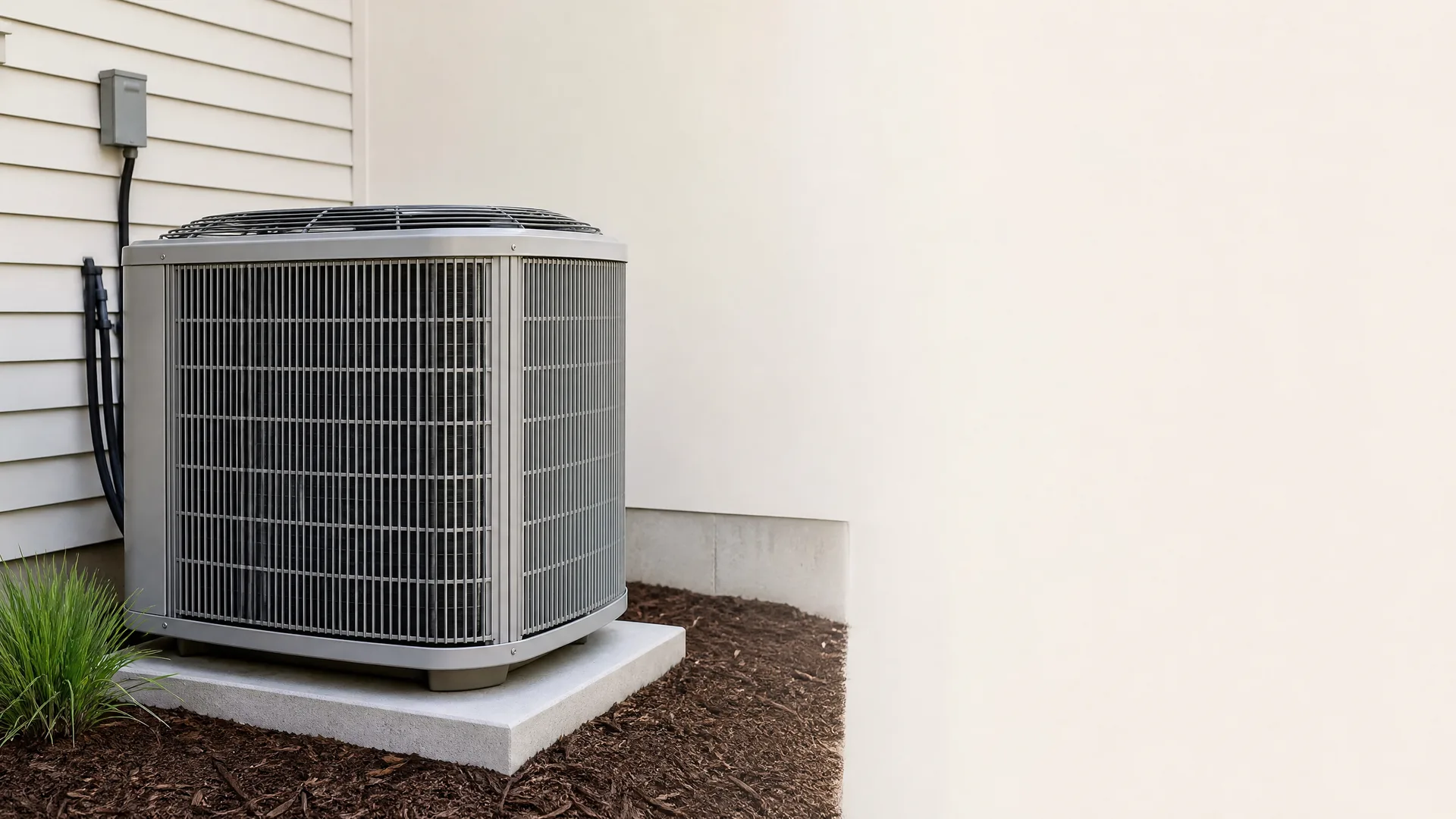
A capacitor or a run of refrigerant is a normal fix on a unit of any age. But a compressor replacement or a cracked coil on a unit already past 10 years is a different signal. Contractors price those jobs against a new system because the math often favors it. If the quote for the repair is closing in on what a new unit costs, that repair isn't really saving you anything.
Why humidity wears a unit down
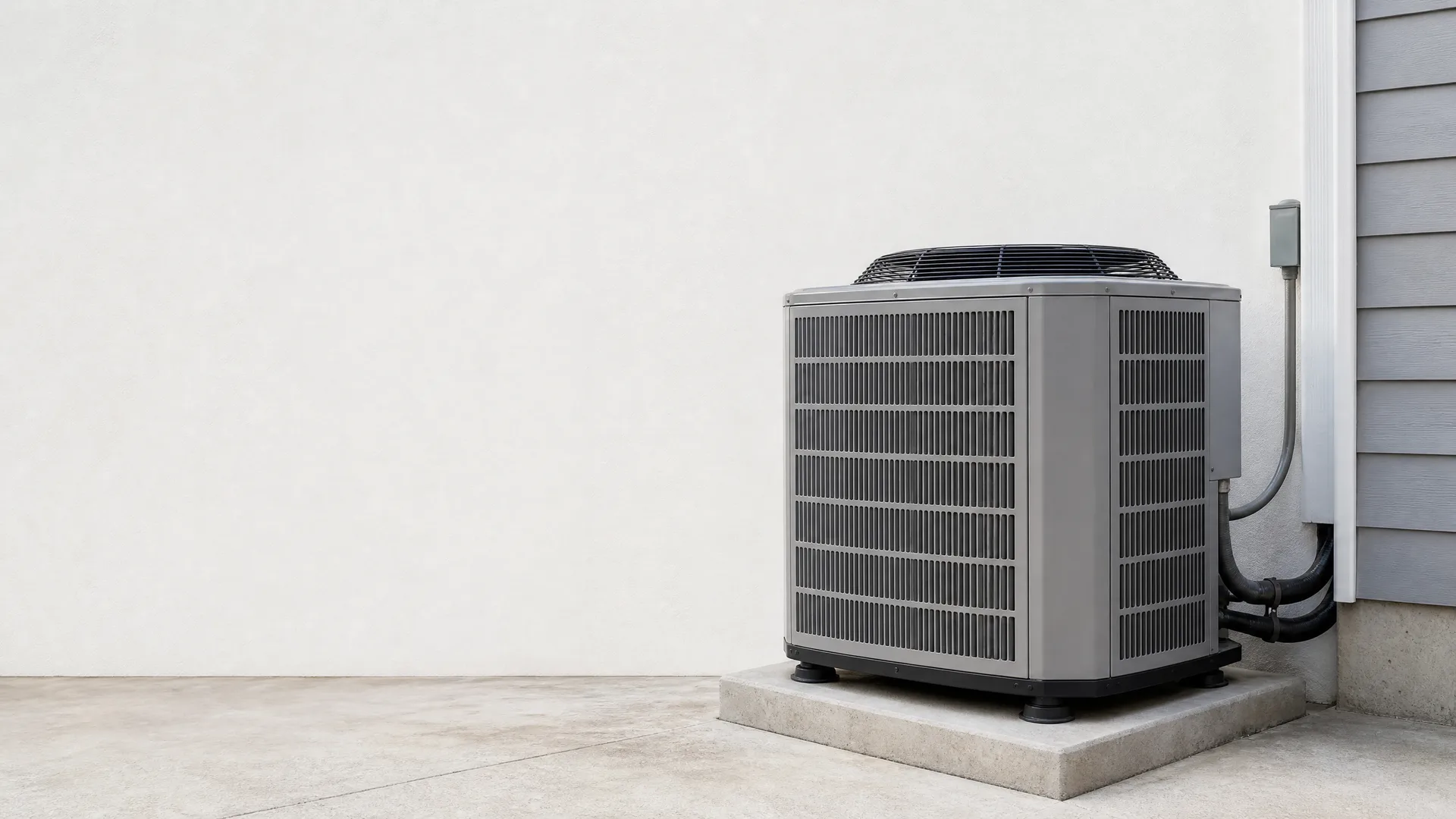
Black Hawk County summers don't just push the temperature up, they push the moisture up with it, and your AC has to pull that moisture out of the air along with cooling it. That's more run time than a dry climate asks for. Over a dozen summers of that kind of duty, the coil, the compressor and the fan motor all log more hours than the same unit would in a drier state, and parts wear accordingly.

What an aging AC costs you in August
When your unit is on its last stretch, you feel it on the days you need it most. It runs longer to hold the same temperature, cycles more, and still leaves upstairs rooms warmer than the rest of the house. The power bill climbs before the system actually fails. Humidity is the other sign. A unit that's losing capacity stops pulling moisture out of the air the way it used to, so the house feels sticky even when the thermostat says it's cool enough.
There's also the risk of timing. Units tend to fail on the hottest days, because that's when they're working hardest, which means a breakdown often turns into an emergency instead of a planned job. If you'd rather make the call on your own schedule, the next step is getting matched with a contractor who can look at your specific system and tell you where it stands, instead of you spending a weekend calling around Waterloo for quotes and explaining the same problem three times over.





Get matched with an air conditioner pro in Black Hawk County
You've already read what makes a Waterloo AC worth replacing and what it costs you when it isn't. The next step is finding out where your unit actually stands, and that means a contractor looking at it in person rather than you guessing from a repair bill. Left on your own, that's calling a few companies, explaining the same history of repairs each time, waiting on quotes, and trying to compare them without knowing if you're comparing the same job. Submit your request here and one contractor who installs systems in this area gets it, then reaches out to you directly. Another summer of this unit struggling is a real cost, in comfort and in what you're paying to run it. Getting someone out to look at it now is how you find out if this is the year, instead of finding out next August.

A contractor checks the compressor, coil and refrigerant charge together.
They weigh your unit's age against the repair it needs now.
They size a replacement to your home's actual cooling load.
You get a straight recommendation: repair it or replace it.
Cooling runs June through August
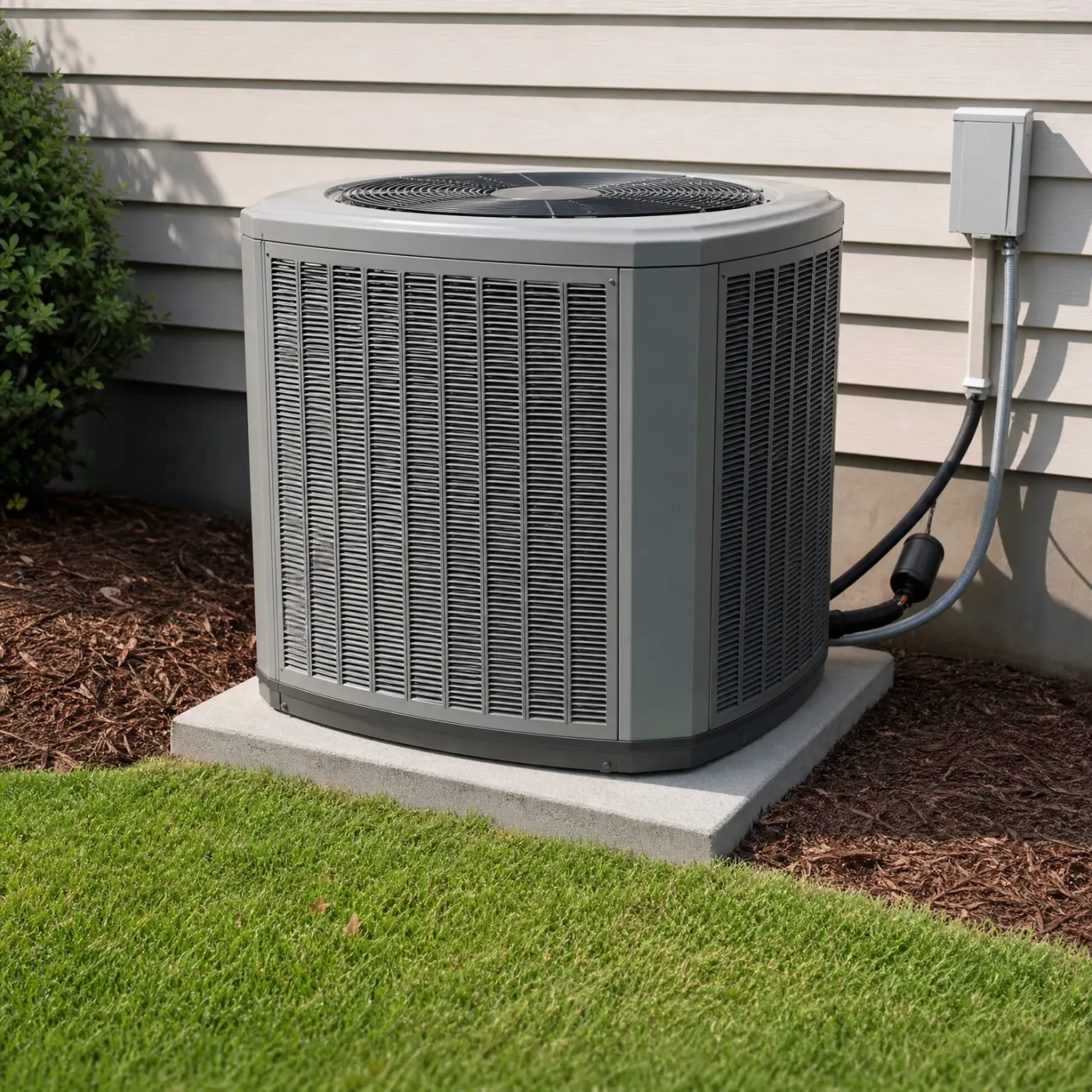
Three months a year, your AC is the only thing standing between you and a house you can't stand to be in. That's a short stretch, but it's the stretch that matters, and it's why a unit that struggles in June only gets worse by August.
NOAA nClimDiv 1991-2020
Where Your AC Stands
- Most central AC units last 12 to 15 years, and Waterloo summers shorten that for units running hard every year.
- A capacitor or refrigerant top-off is a normal repair at any age, but a compressor or coil failure past year 10 is a replacement signal.
- A unit on its way out runs longer, cycles more, and still leaves some rooms warmer while the power bill climbs.
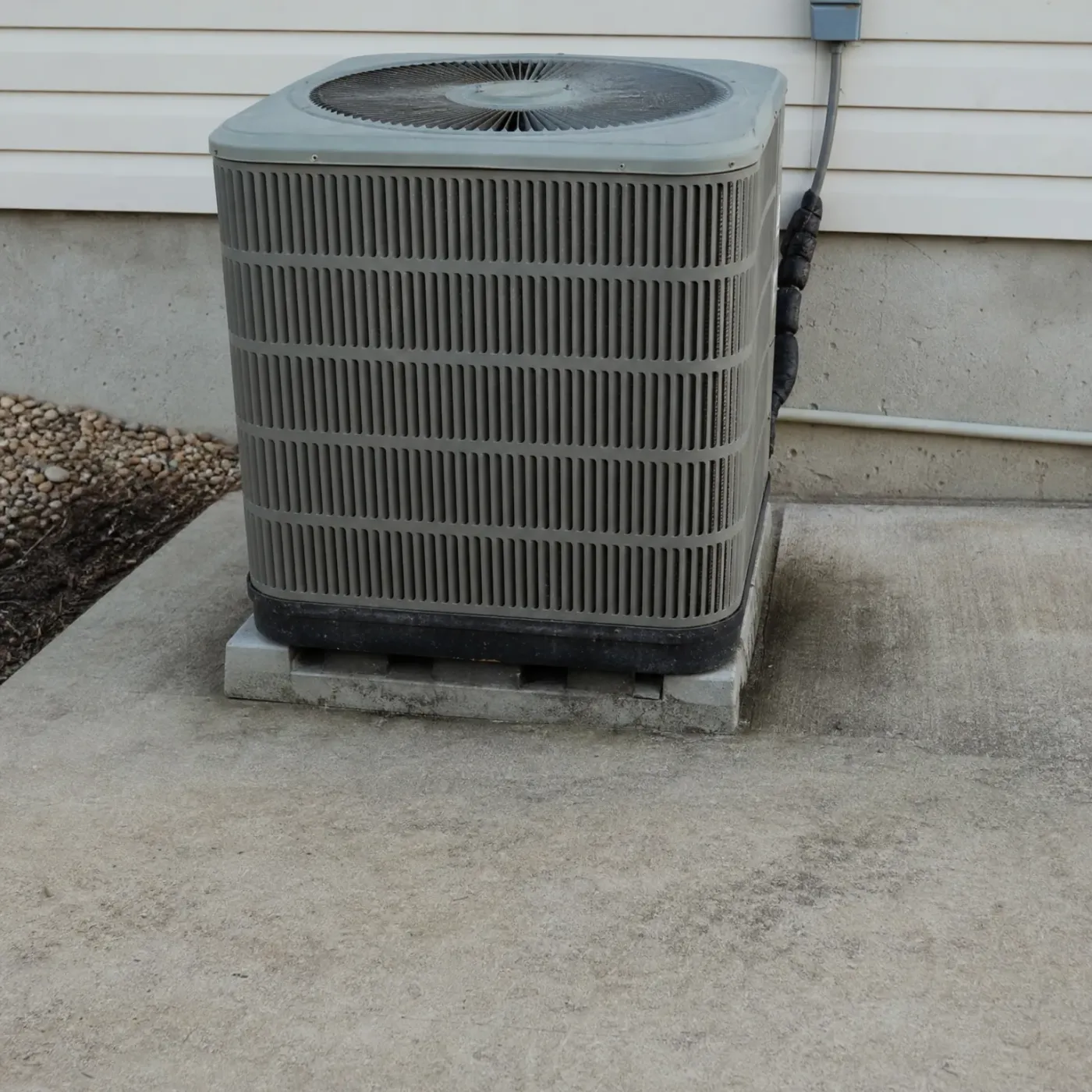
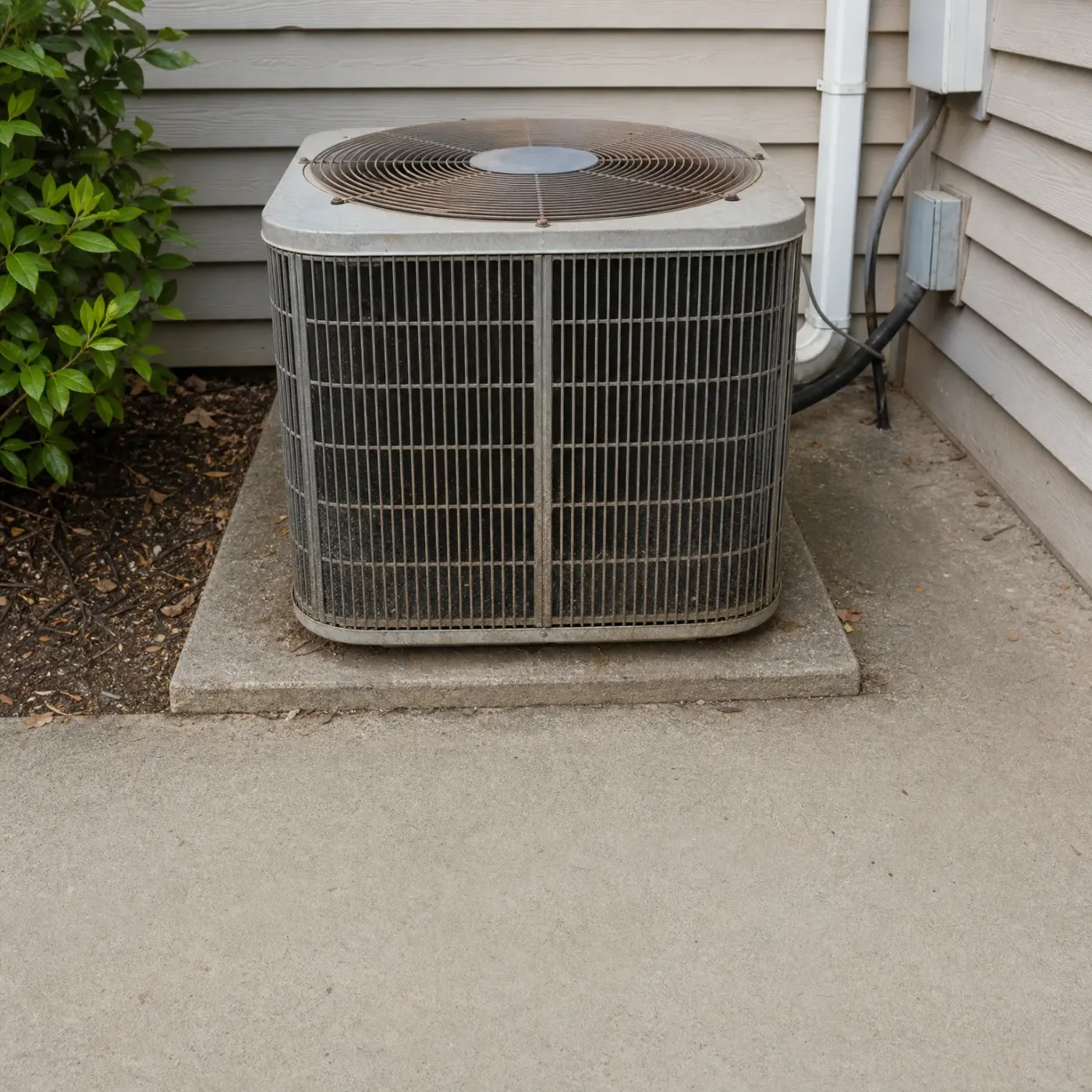
- Age and repair history tell you more about a unit's condition than how clean or quiet it looks from outside.
- Summer in Waterloo is short, which is exactly why a unit that struggles in June only gets worse by August.
- A contractor checking the compressor, coil and refrigerant charge in person settles the question a repair bill alone can't.
By now the picture is clear. Most central air conditioners run 12 to 15 years, and the stretch of hard summers here wears on a unit the same way every year it's asked to keep a house cool through sticky, humid days. A small repair doesn't mean much on its own. A compressor or coil going out on a unit already past 10 years means something different, and the price of that fix usually sits close to what a new system costs. Watch what the unit is actually doing. One that's failing runs longer than it used to, cycles on and off more than it should, and still can't hold the upstairs as cool as the rest of the house, all while the bill goes up. None of that shows from the driveway. A unit can look clean and sit quiet and still be on its way out, because what matters is what's inside it and what's already been fixed, not how it looks from outside. Summer here doesn't last long, and that's the reason this decision matters. A system that's struggling in June has months left to get worse, not better, and August is when you'll feel it most. The only way to know for certain where your unit stands is to have someone look at the compressor, the coil, and the refrigerant charge directly. That's the difference between guessing from a repair bill and knowing.


Air Conditioner Installation
Find an air conditioner installation pro in Black Hawk County
Describe the project once instead of to every installer.