Starting and running fine
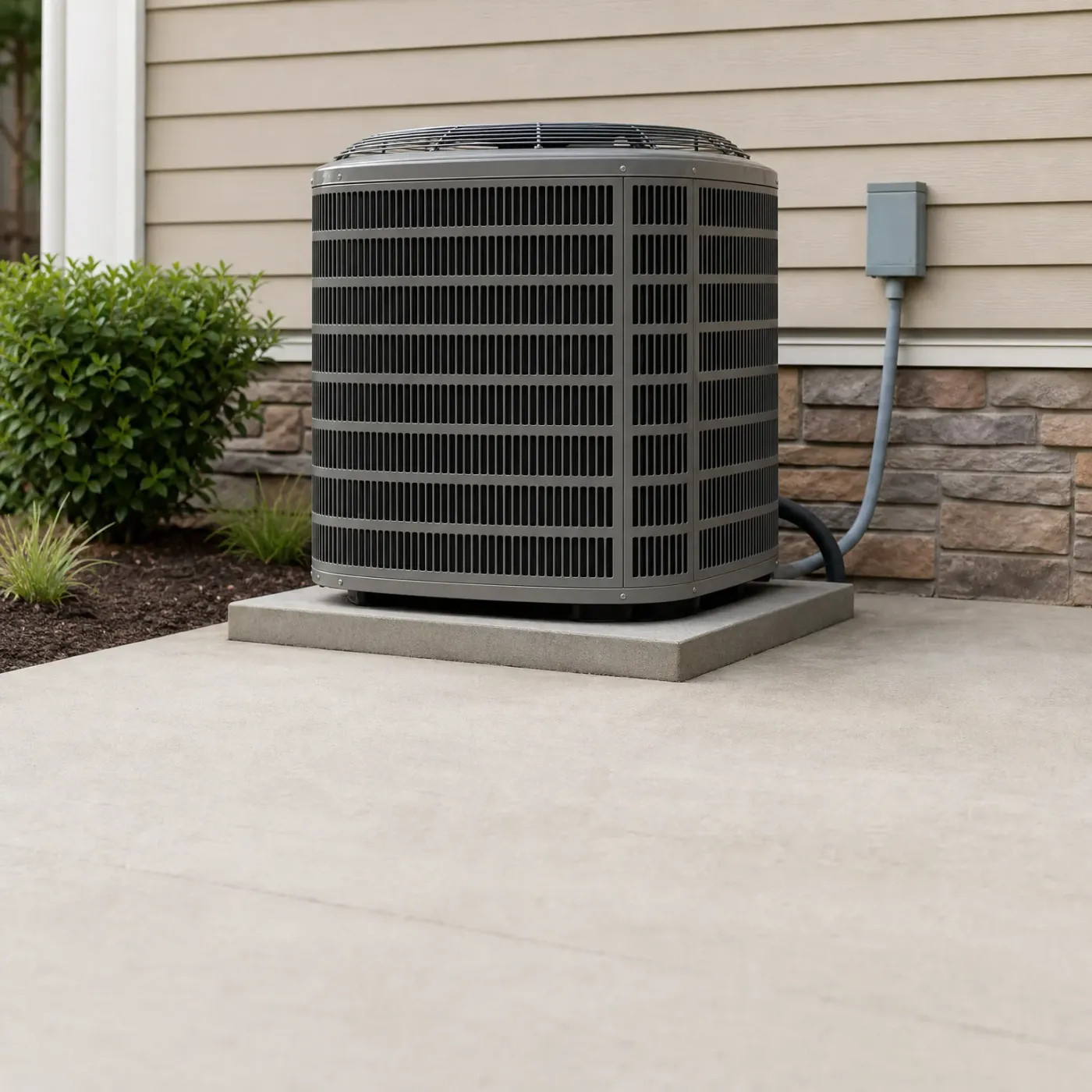
The fan kicks on right away and spins steady. The unit settles into a steady run on a hot afternoon instead of cycling on and off. No hum, no clicking, no delay before it catches. That's a capacitor doing its job.
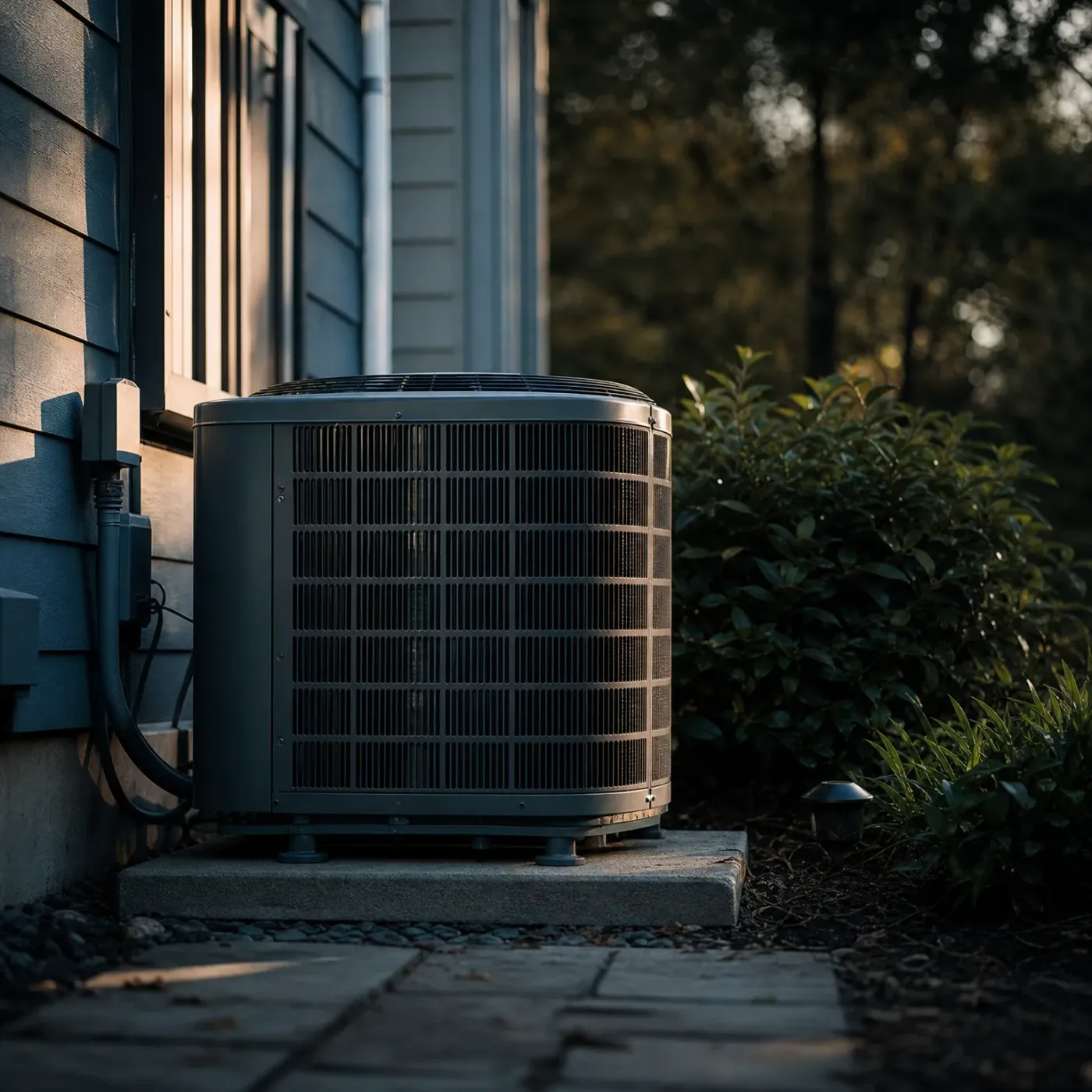
A pro who works on air conditioners
A bad capacitor usually shows up as an AC that hums but won't start, or one that cuts off on a hot Iowa afternoon instead of running straight through. This page covers what to look for and check before you decide it's the capacitor. If it is, a local contractor who services this equipment all summer can take it from there.
Match me with a proA bad capacitor usually gives itself away in how the unit starts, not whether it runs at all. The outdoor fan may hum and sit still, or spin slow and weak, or the whole unit may click and try to start every few minutes without catching. Sometimes it starts fine but the air coming out is warmer than it should be, because the compressor isn't getting the steady push it needs to run right. The capacitor holds the charge that kicks the motor into motion and keeps it running once it's going, and in the heat and humidity Iowa summers bring, that part wears down faster than people expect. A unit struggling to start works harder and runs longer trying to cool the house, and that strain can spread to the compressor itself if it goes on too long. Catching it at the humming or clicking stage is the difference between a quick repair and a much bigger one.


The capacitor's job is a short burst, not a steady one. It dumps a charge into the fan motor and the compressor to get them turning, and once they're spinning, they run on their own power. That burst takes a toll, and heat makes it worse. An AC that runs most of the day through an Iowa summer asks more of that part than one that cycles on and off a few times. When it starts to go, it doesn't always quit all at once. You might get a fan that spins but a compressor that never kicks in, so the unit's running but no cool air is coming out. Or you might see it on the part itself, swollen or bulging on top, still starting most of the time but not for much longer. Some systems pair the capacitor with a hard start kit, and a tech checks both, since a bad one of either can look the same from outside. A capacitance test often catches a weak one before it fails for good, reading low against the number printed right on the part.




A capacitor that's starting to fail doesn't always fail all at once. It'll get you through a cool morning and then quit by afternoon, once the heat and the strain on the compressor build up. That's the pattern worth paying attention to, because it means the unit might still be cooling fine right now and still need the part replaced before the next hot stretch. Iowa summers don't give a struggling AC much of a break to recover on its own. Waiting on a capacitor that's already stalling or clicking usually ends with the compressor working harder than it should, and that's a more expensive problem than the capacitor itself. A contractor who works on these systems every summer can tell in a few minutes whether what you're hearing is the capacitor or something else, like the contactor or the motor itself. Getting the right person out to look at it, someone local who sees this exact failure all season, beats guessing at it yourself or letting it ride until the unit stops cooling on the next ninety-degree day.
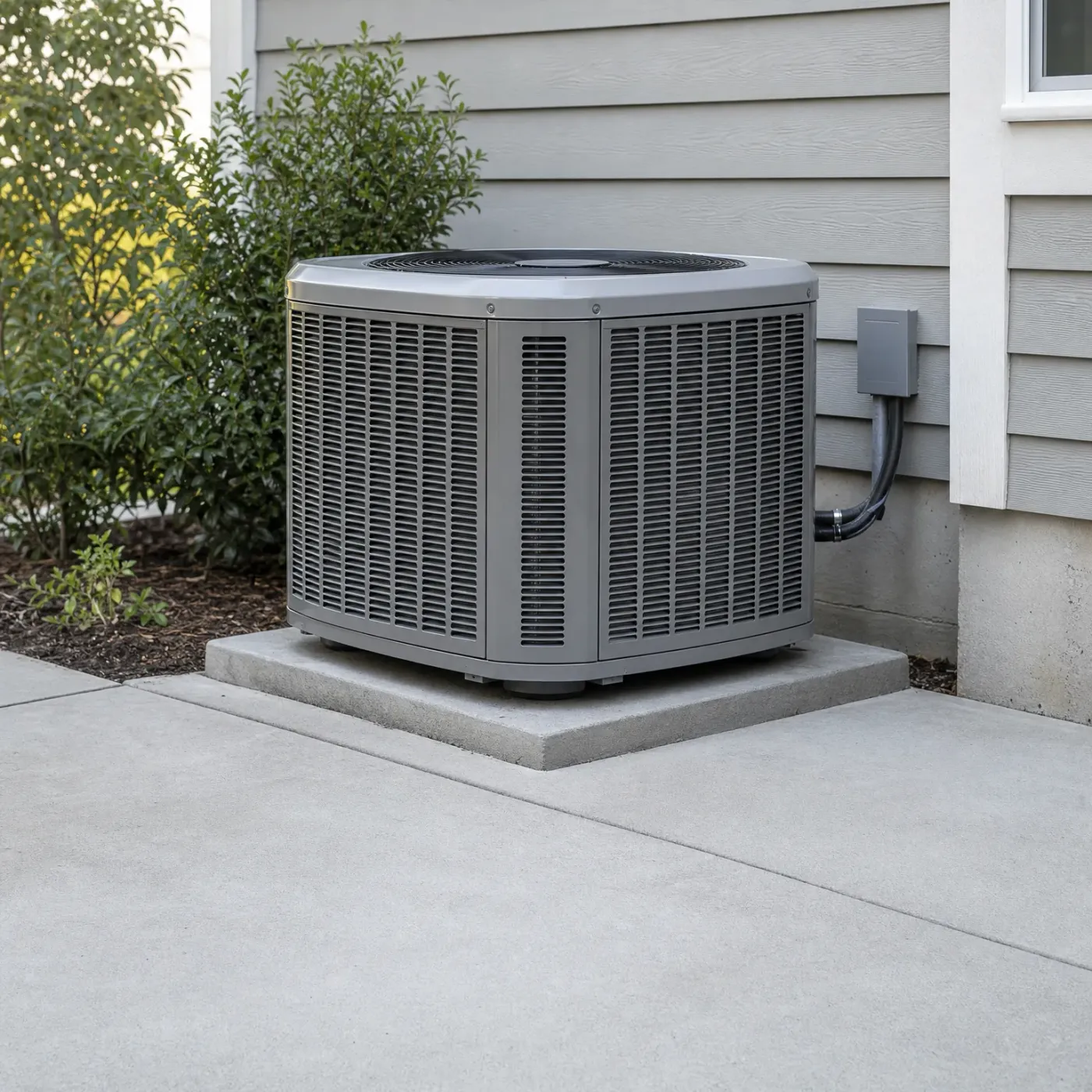
The fan kicks on right away and spins steady. The unit settles into a steady run on a hot afternoon instead of cycling on and off. No hum, no clicking, no delay before it catches. That's a capacitor doing its job.
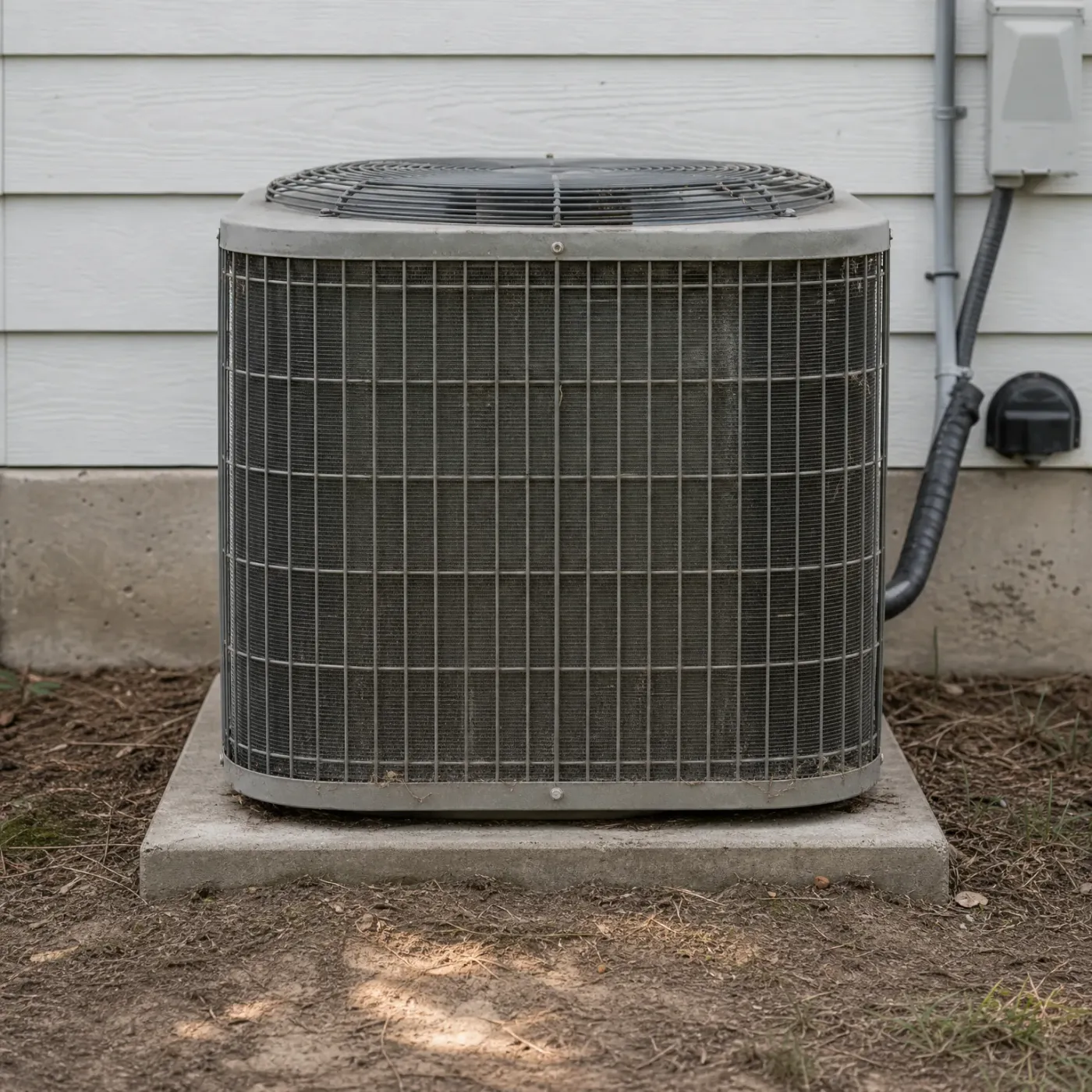
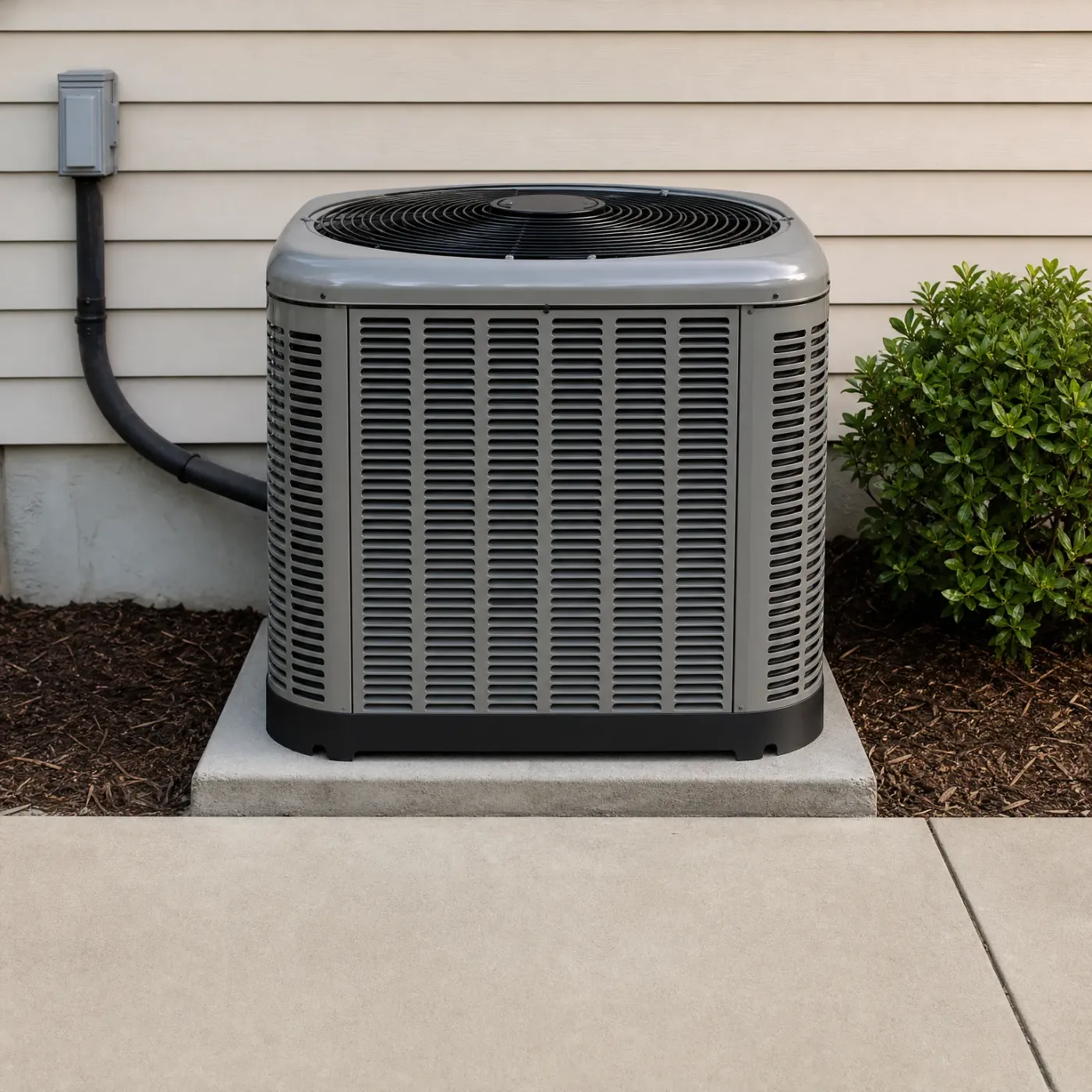
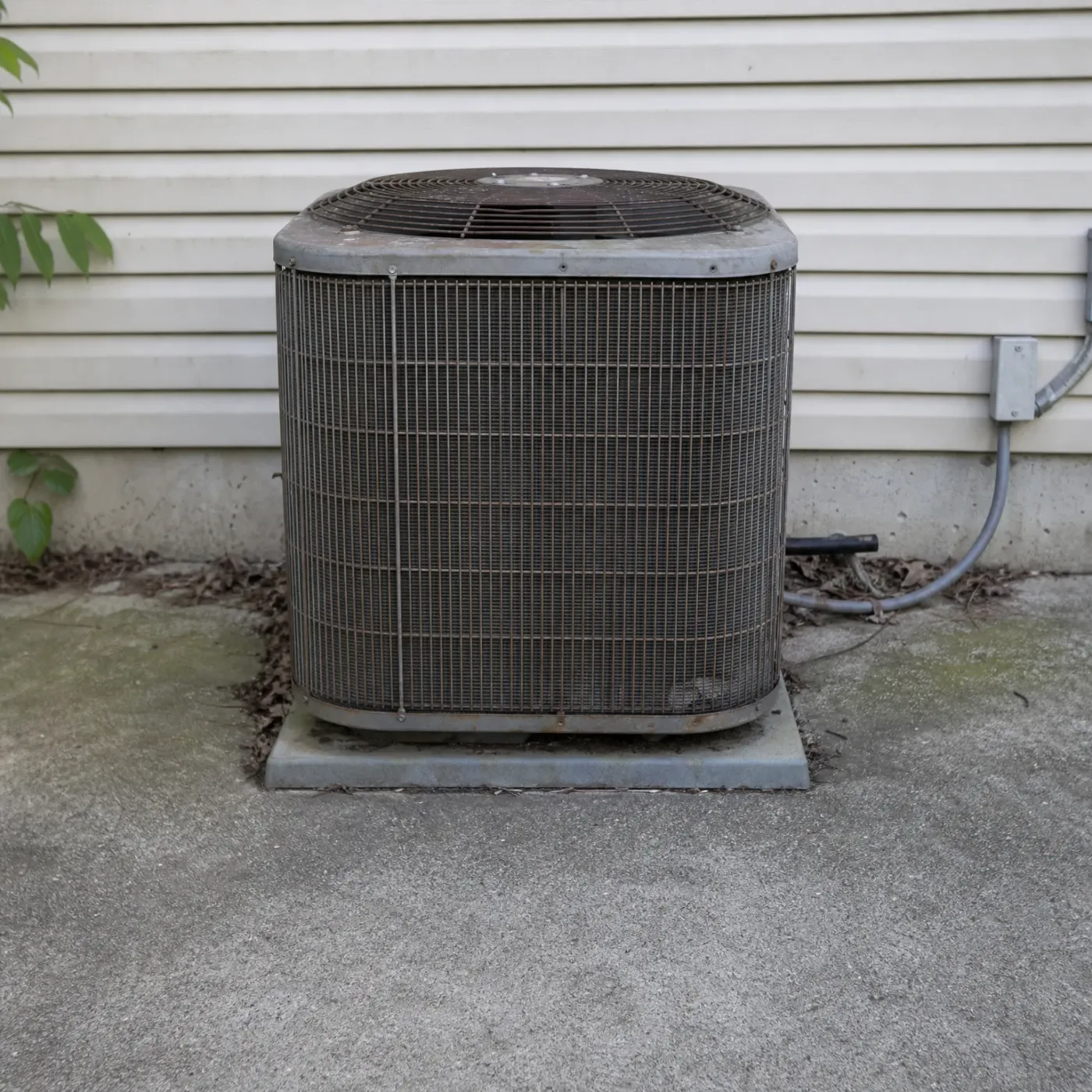
Dirt built up on the coil guard like this won't cause a bad capacitor, but it's often sitting on a unit old enough that the capacitor is wearing out too. If yours looks like this and struggles to start, both are worth having checked.
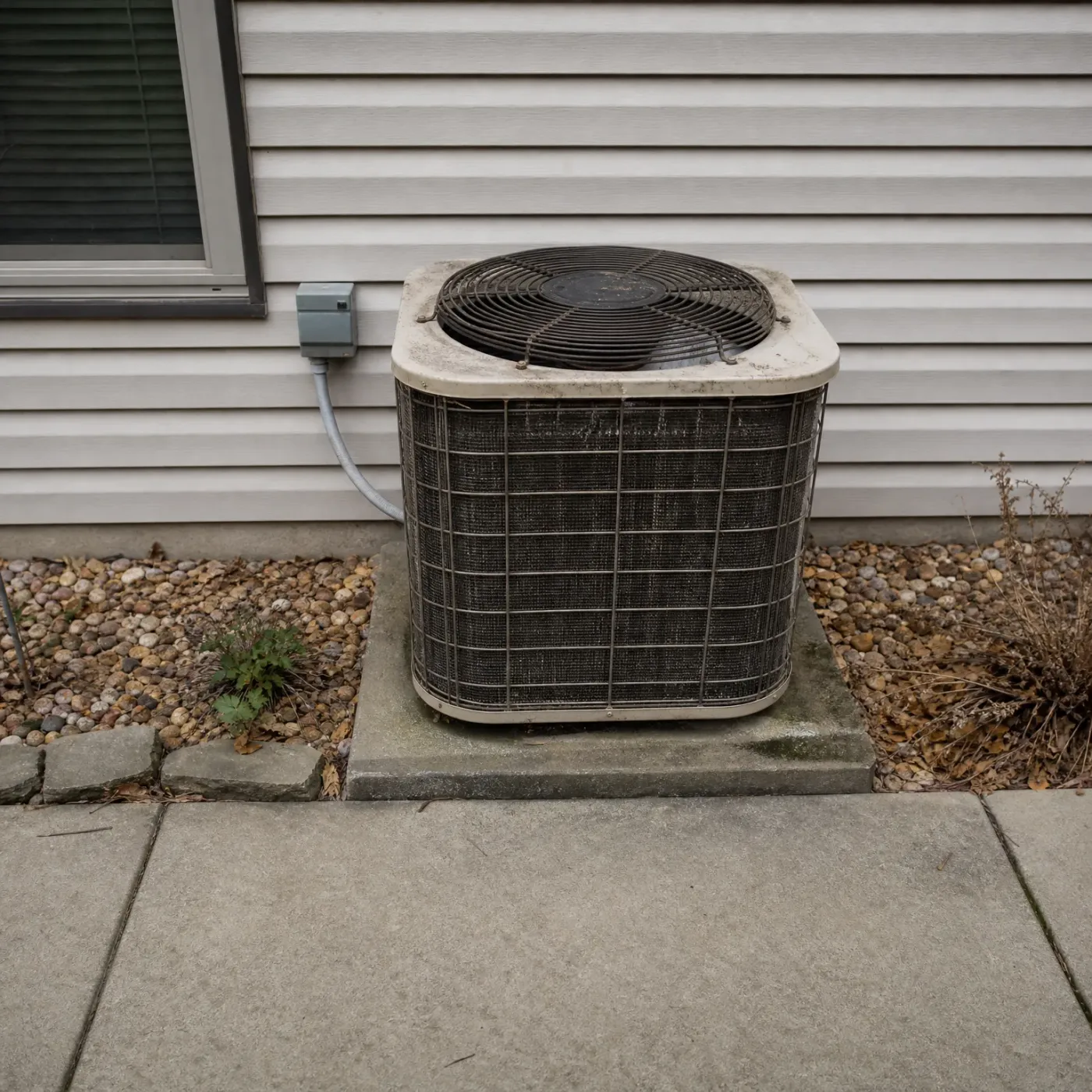
A capacitor can still fail on a mild day, but the extra strain of an Iowa heat wave is what usually pushes a weak one past the point of starting.
The same capacitor serves the fan motor and the compressor, so a failing one can leave the fan running while the compressor never kicks in.
At 13.62 cents per kilowatt-hour, running your AC in Iowa isn't what drives most summer bills up, a weak capacitor is. When it can't get the compressor started cleanly, the unit cycles harder and longer to cool the house, and that's where the extra cost comes from.
EIA-861 2025 statewide residential average
Thermostat calls for cooling and sends power to the contactor
Contactor closes and sends power to the capacitor
Capacitor releases its stored charge into the compressor and fan motor
Motors spin up to speed and switch to running on line power

A humming fan, a unit that clicks and quits, a compressor that won't catch on the first try: that's a capacitor telling you it's done or close to it. You don't need to open the cabinet or test anything to know you've got a problem worth calling in. What you've read here is enough to go on.
Once you've got that picture, the next step isn't figuring out more on your own. It's getting someone out who works on these units every summer and can tell a bad capacitor from a stuck contactor or a failing compressor in a few minutes. You'll be matched with one licensed contractor local to Iowa, not a handful competing for your call, so the person who shows up is the one who's going to do the work.

Your request goes to one pro, not a list of companies.