A local installer who puts in air conditioners gets your project.
A variable-speed air conditioner runs at low capacity most of the time and only ramps up on the worst days. In Iowa, where July and August get sticky and humid, that matters more than it does in a dry climate. A single-speed unit cools fast and shuts off, leaving moisture in the air. A variable-speed one runs longer at a lower output, so it pulls more water out of the air while it works.
Since most Iowa homes heat with gas, the AC isn't carrying the same load it would in a house that depends on it for heat too. And because power here is cheap, the usual pitch about lower electric bills doesn't carry the same weight it would somewhere like Texas or Arizona. The case for variable-speed in Iowa has more to do with comfort and humidity control through the summer than it does with saving on a power bill.
Whether it's worth the added cost depends on your house, your current system, and what you're trying to fix. A home with a muggy upstairs bedroom or a system that short-cycles on hot days has a different answer than a home that just needs a straightforward replacement.
That's a judgment call that depends on your ductwork, your current tonnage, and how your house holds humidity, not something a general answer can settle. A local contractor who installs these systems in Iowa homes every summer has seen which houses benefit and which ones don't need the upgrade. Getting matched with one means someone familiar with this climate can look at your actual setup and tell you straight whether variable-speed makes sense for your house, instead of guessing from a general rule. You'll hear from one contractor, not several, so you're not sorting through competing calls to get an answer.
Is a variable-speed air conditioner worth it in Iowa?
You're probably weighing the higher upfront cost of a variable-speed AC against a standard single-speed unit, trying to figure out if the difference actually pays off where you live. Iowa summers swing from mild to brutally humid, and you want to know if that extra money buys you something real or if it's just a sales pitch for equipment your house doesn't need.
For most Iowa homes, yes, if humidity control matters to you
A variable-speed AC runs longer at lower output, which pulls more moisture out of the air than a single-speed unit that blasts cold air and shuts off. In a sticky Iowa August, that difference shows up as a house that feels drier at the same thermostat setting. Since most homes here heat with gas, the AC isn't paired with a heat pump doing double duty in winter, so the value case rests entirely on summer comfort and humidity, not on heating costs. With power priced low in Iowa, the electric bill difference between the two unit types matters less here than the comfort difference does. If muggy summers bother you more than the extra cost up front, it's worth it.
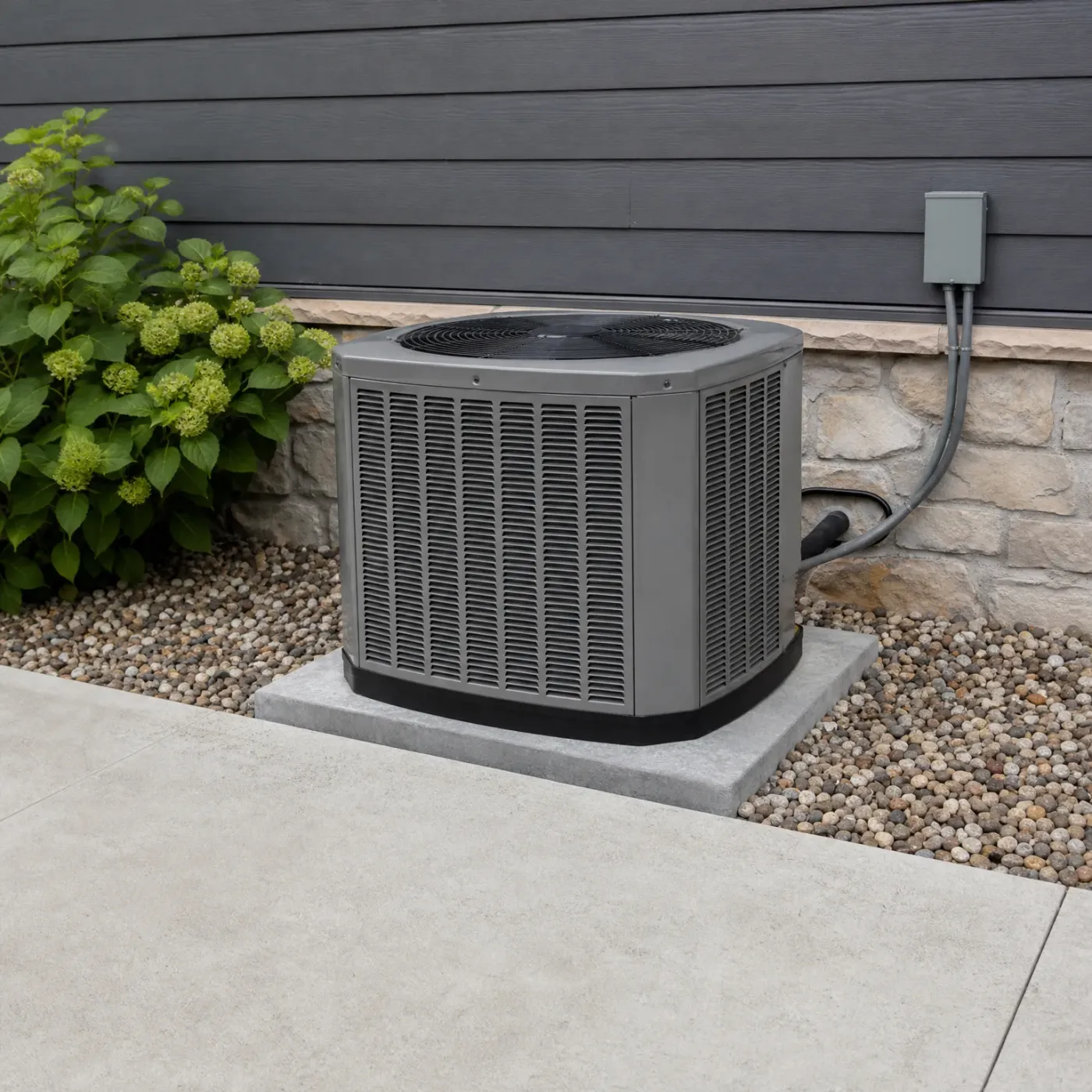
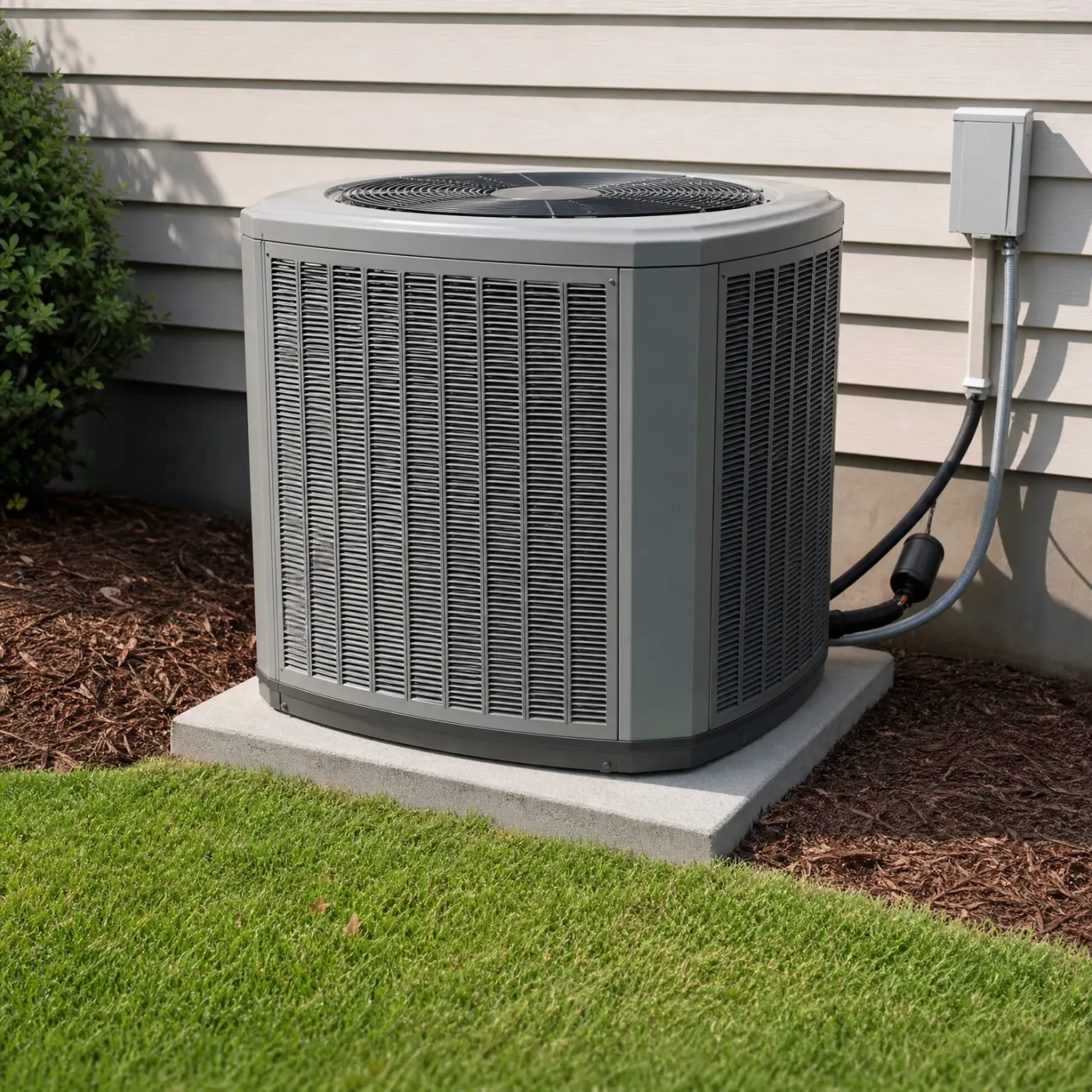
Variable-speed, running steady
This is what a variable-speed system looks like most of the day: quiet, barely cycling, holding the house at a steady temperature. It runs low and slow, pulling moisture out of the air the whole time instead of just when it kicks on. On a sticky July afternoon, that steady pull is what keeps the house from feeling damp.
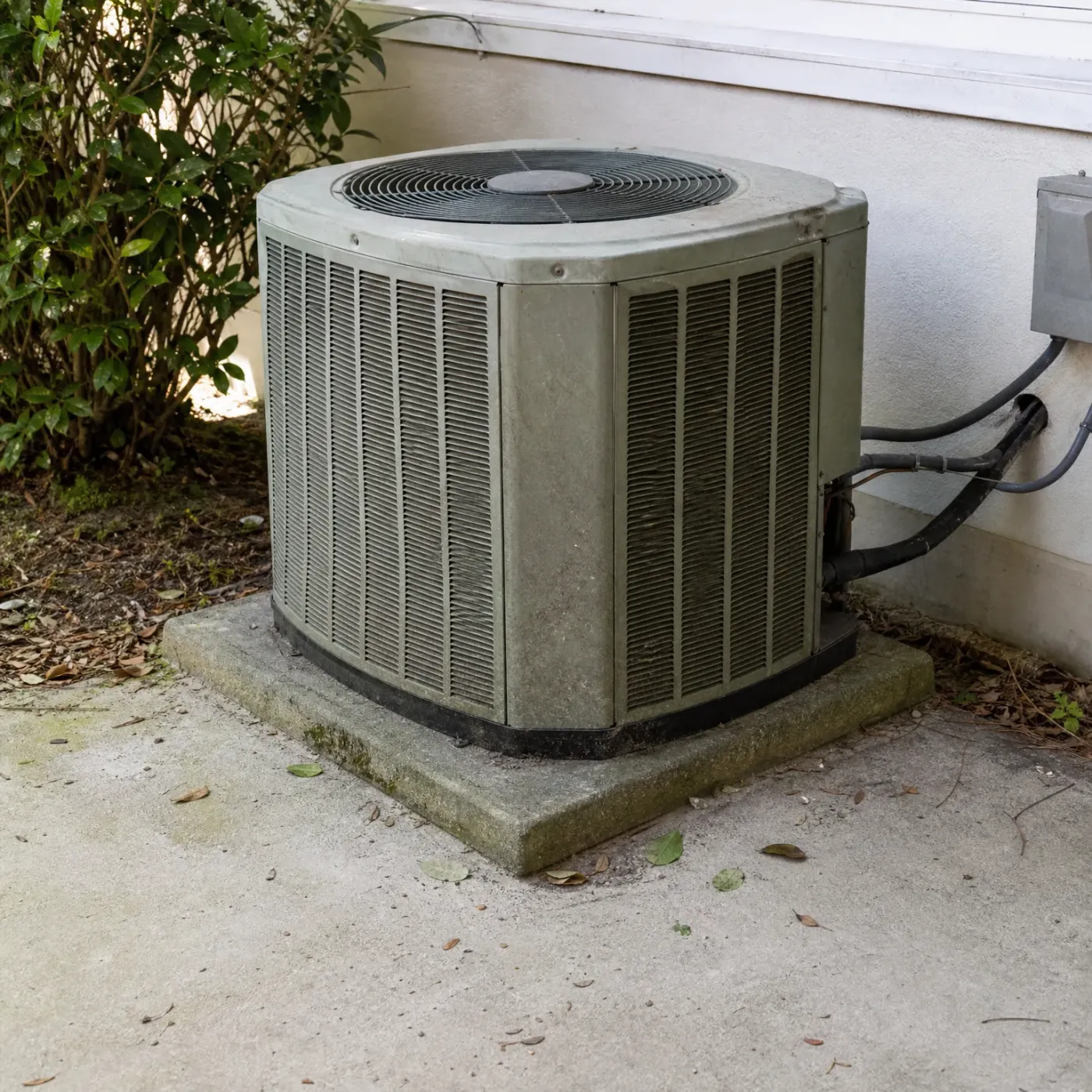
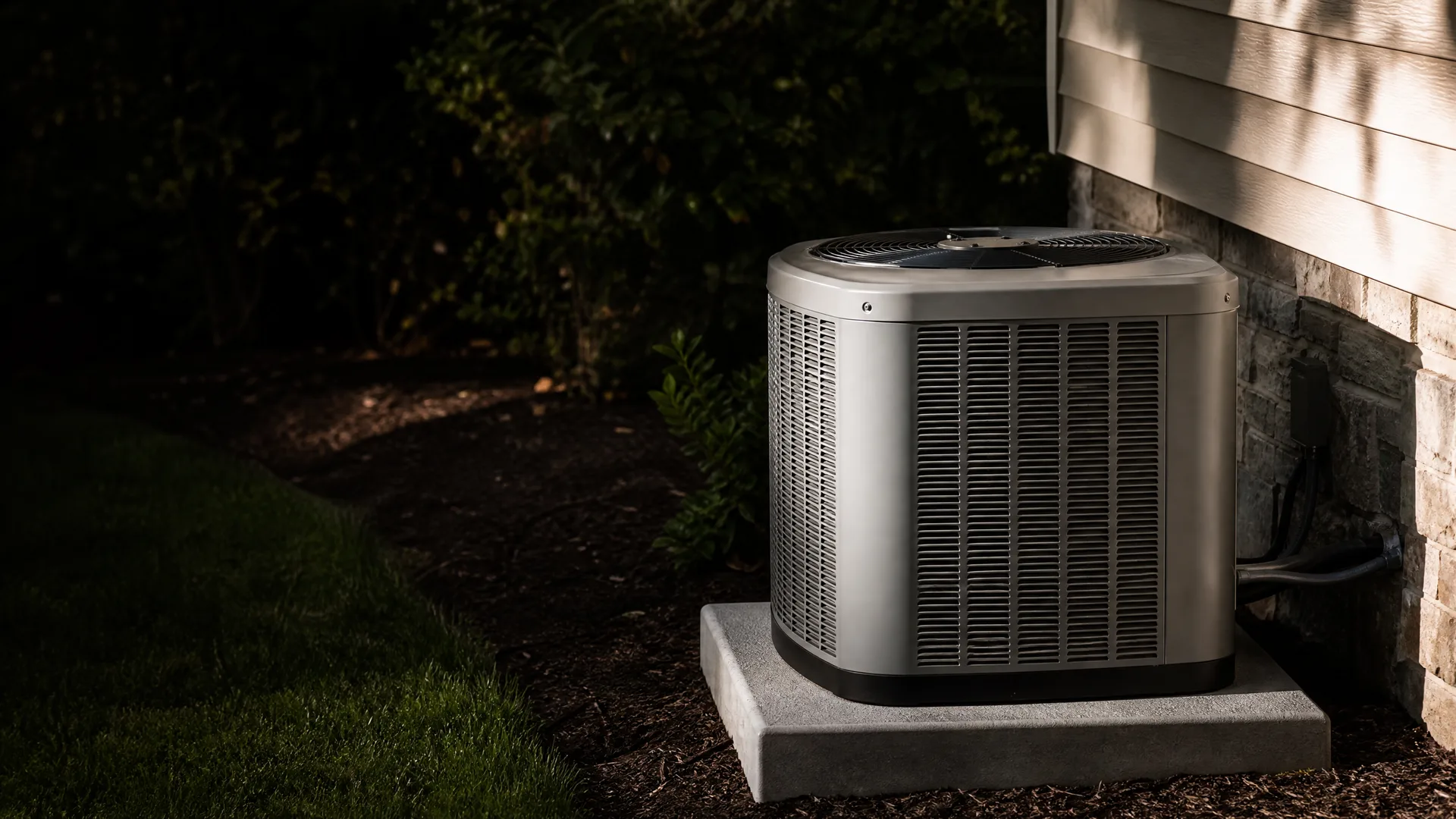
Single-speed, run ragged
A single-speed unit works in bursts: full blast, then off, then full blast again. Years of that cycling show on the fins and the casing, grime building up between runs. It cools the house fast, but it shuts off before it's pulled much humidity out, so the air inside stays sticky even after the room reads cool.
Variable-Speed vs Single-Speed AC
Variable-speed
Costs more to install than a single-speed system of the same size and brand.
Pulls moisture out of the air for as long as it runs, which in Iowa's humid stretches means a drier house at the same thermostat setting.
Runs most of the day at low capacity, so the blower and compressor rarely hit full load except on the hottest afternoons.
Holds a steadier temperature room to room since it isn't just switching fully on and fully off.
Needs a thermostat and ductwork that can actually use the variable capacity, so matching the rest of the system matters.
Gives you less to gain from the variable capacity once fall and winter arrive and the AC barely runs at all.
Single-speed
Costs less upfront than a variable-speed system of comparable size.
Runs at full capacity every time it cycles on, then shuts off completely until the house warms back up.
Cools a room down fast, which matters more on dry, mild days than on Iowa's sticky ones.
Cycles on and off more often during humid weather, so moisture removal stops every time the compressor shuts off.
Works with simpler thermostats and ductwork, since there's no staging to coordinate.
Has fewer parts involved in regulating speed, which is one less system to match correctly during installation.
One installer gets your project, so there's no bidding war over it.
You only hire the pro if you want to.
Why longer runtimes help with humidity
An air conditioner pulls moisture out of the air only while it's running. A single-speed unit cools the house fast, hits the thermostat setting, and shuts off, so the moisture removal stops too. A variable-speed unit stays on at low output for hours at a stretch. That longer runtime is what pulls humidity down over the course of a day, not just the temperature. In a dry climate that wouldn't matter much. In Iowa, where the air itself holds a lot of moisture from June through August, the extra hours of low-speed operation are doing real work the thermostat number doesn't show.
What that costs you in electricity
Power here is cheap compared to a lot of the country, which changes the math on this. A variable-speed compressor uses less electricity per hour than a single-speed one running at full output, but it also runs far more hours across a muggy stretch. Where electricity rates are high, those longer low-speed hours can still add up to savings over a single-speed unit cycling on and off. Where rates are low, as they are in Iowa, that gap narrows, and the comfort and humidity control matter more to the decision than the electric bill does.
A house that holds 50% humidity instead of swinging past it
With a variable-speed system running long and low, the air inside stays even. You stop getting that sticky feeling even when the thermostat says the house is cool.
Does your house feel damp even when the AC is running
Walk through your house on a muggy July afternoon. The thermostat might say 72, but the air still feels heavy, the bathroom mirror stays foggy longer than it should, and the basement has that faint musty smell. That's a single-speed unit doing its job on paper, cooling to the set temperature, while the air itself stays wet. You might notice it most in rooms farthest from the thermostat, or see condensation forming on cold drinks and window frames. Left alone through enough Iowa summers, that extra moisture gives mold and mildew a place to start, especially in a basement or a room that doesn't get much airflow. It's not an emergency. It's your house telling you the air isn't actually drying out between cycles.
NOAA's summer averages put the dew point at 62°F across June, July and August here. That's the number that decides whether a room feels dry or sticky, more than the temperature does. A single-speed AC cools the air fast and shuts off, so moisture keeps building between cycles at that dew point. You'll notice it as a clamminess that lingers after the thermostat says the house is cool, especially in a closed-up bedroom at night or a basement with little airflow. A system that runs longer at low capacity has more time to work that moisture out before it shuts off.
NASA POWER T2MDEW county cells weighted by homes
Before you get your air conditioner installationAfter you get your air conditioner installation
A single-speed system gets the temperature down and shuts off. If your house cools fast but still feels muggy an hour later, that's why.
A variable-speed system stays on at low output instead of shutting off. The longer runtime is what pulls the moisture down, not just the temperature.
Power costs 13.62 cents per kilowatt-hour statewide
At under 14 cents a kilowatt-hour, running your AC longer doesn't hit your bill the way it would somewhere like California or New York. A variable-speed system leans on that longer runtime to wring the humidity out of your house, and here it can do it without costing you much more to operate.
EIA-861 2025 statewide residential average
So, Is It Worth It
A variable-speed AC costs more to install but runs long and low, which is what actually dries out Iowa's muggy summer air.
A single-speed unit gets the temperature down fast and shuts off, leaving the house cool but still feeling damp.
Cheap power here means the longer runtime a variable-speed system needs doesn't hit your bill the way it would in a high-rate state.
A local contractor who installs and services these systems every summer knows which humid-climate Iowa homes actually benefit from the upgrade.
Matching you with one licensed local contractor instead of several means one conversation about your house, not a stack of competing calls.
The choice comes down to whether you value a drier house all summer enough to pay more for the equipment that delivers it.
Everything above comes down to one trade-off. A variable-speed air conditioner costs more up front, and in exchange it runs long and low instead of blasting cold air and shutting off. In Iowa, where summer air carries real moisture, that longer runtime is what actually dries the house out, not just cools it. A single-speed unit will get your thermostat to 72 just fine. It won't do much about the dampness that settles back in an hour later. Power here is cheap enough that running a variable-speed system most of the day doesn't punish your bill the way it would in a state paying double the rate. So the question isn't really about the electricity. It's whether a steadier, drier house all summer is worth paying more for the equipment that delivers it.
If you decide it is, who installs it matters as much as which system you pick. These systems need to be sized and set up correctly to run the way they're supposed to, low and steady, not short-cycling like a single-speed unit would. A contractor who works on Iowa homes through the humid stretch of summer has seen which houses actually feel the difference and which don't, and can tell you that straight rather than guessing. When you put in a request here, it goes to one licensed local contractor, not a handful competing for your business. That means one visit, one conversation about your house, and an answer suited to it instead of a generic pitch.