




Get AC Iowa
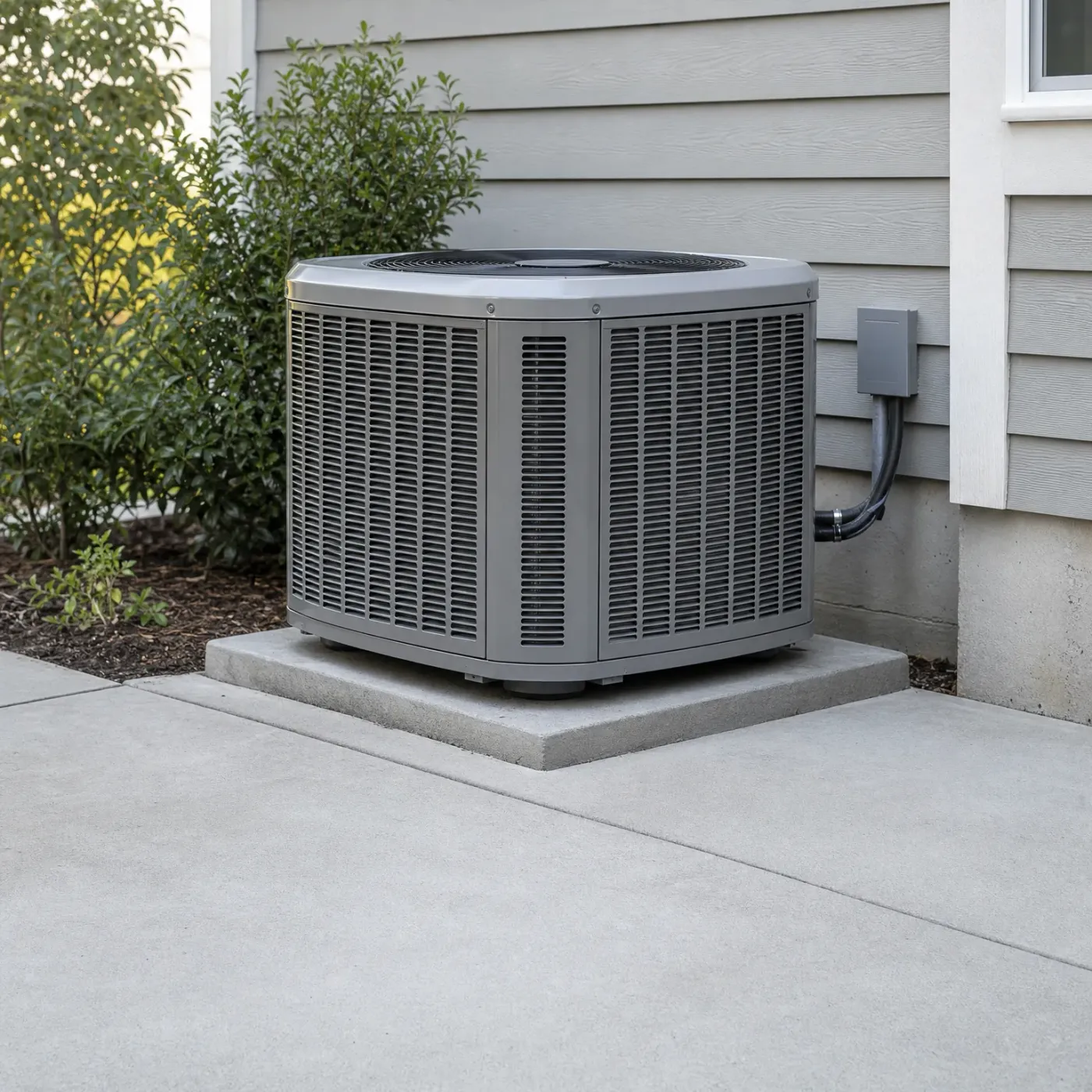
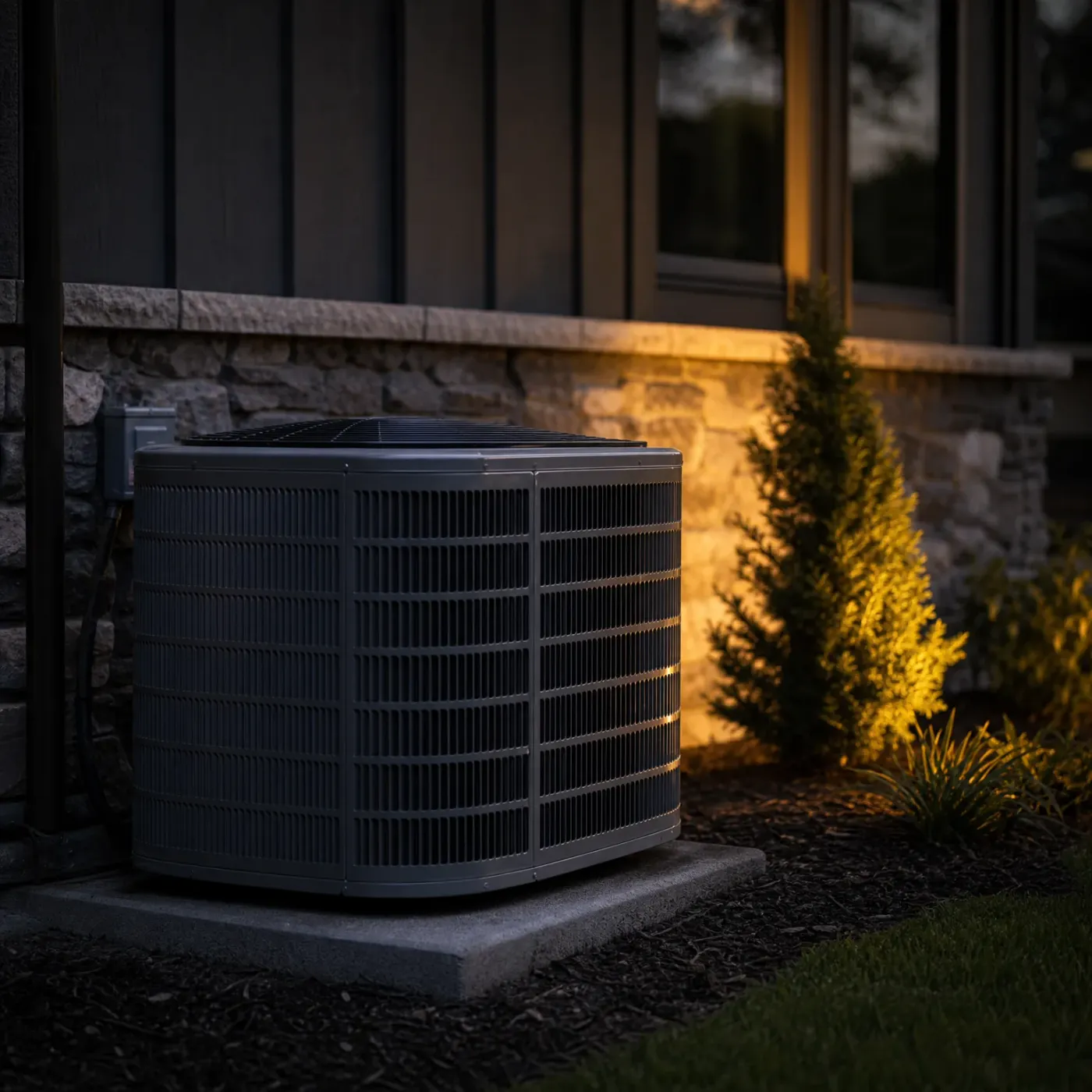
An outdoor air conditioning condenser unit on a concrete pad beside a house with stone veneer and vertical board siding, with a small shrub and mulch bed lit by a ground light at dusk.

A local pro for your air conditioner installation

Do you need a dehumidifier with AC in Iowa

Your AC can cool an Iowa summer and still leave the air inside feeling damp. This page gets into why that happens and whether a dehumidifier actually fixes it, or if the answer is something else with your system. Answer it here, then get matched with a contractor who can look at your setup and take it from there.

Find my pro

Most Iowa homes don't need a standalone dehumidifier if the AC is sized and running right. An air conditioner already pulls moisture out of the air as it cools, but only when it runs long enough to do that work. If your AC is oversized, it cools the room fast and shuts off before it's removed much humidity, so the house feels cool but clammy. That's the usual reason for sticky air even with the AC on, not a flaw in air conditioning itself. A whole-home dehumidifier makes more sense if your system is already sized correctly and the air still feels damp, or if you keep the thermostat low just to feel dry. Before adding equipment, it's worth having someone check whether your current AC is matched to your house and running the way it should.

A gray-haired, bearded man in a dark coat dusted with snow stands smiling in a dimly lit room with a lamp, mirror, framed art, and a sofa in the background.
An older man with white hair and a beard, wearing a dark snow-dusted coat and scarf, stands in a warmly lit interior hallway with a framed landscape picture, a table lamp and a potted plant behind him, and a snowy view through a window at left.
An older man in a dark snow-flecked overcoat and scarf stands smiling in a warmly lit home entryway, with a glass-paned door showing darkness outside and a lamp-lit room visible through a doorway behind him.
An older man with gray hair and a beard, wearing a dark snow-dusted jacket and scarf, stands smiling in a warmly lit interior hallway with a lit table lamp, a vase of dried branches, and a framed picture in the background.

Why short cooling cycles leave air damp

An AC pulls moisture out of the air through the indoor coil as warm air passes over it. That coil needs time, several minutes of steady runtime, to collect water and drain it away. An oversized unit satisfies the thermostat fast, so it shuts off before the coil has done much drying. You get cold air and a room that still feels sticky. This is the part a dehumidifier can't fix on its own, because the problem isn't moisture in the air that a separate machine could pull out. It's a cooling system that isn't running long enough to pull it out itself.

What a correctly sized system does instead

A properly sized AC runs longer, lower cycles rather than short, hard bursts, and that longer runtime is what gives the coil time to wring the moisture out of the air. In most Iowa homes, getting that right has more to do with matching the equipment to the house than adding another appliance. Gas heat in winter and cheap power don't change how cooling and humidity interact in summer. A contractor who checks your system's sizing and airflow against your home can tell you whether the fix is a dehumidifier, a different thermostat setting, or correcting how the AC runs in the first place.

Power costs 13.62 cents per kilowatt-hour statewide

At 13.62 cents a kilowatt-hour, running your AC longer to wring moisture out of the air won't wreck your bill. The bigger cost usually comes from a unit that's the wrong size or short-cycling, not from the extra runtime a dehumidifier would replace.

EIA-861 2025 statewide residential average

  1. Warm, humid air from your house passes over the indoor evaporator coil.

  2. The cold coil chills the air below its dew point.

  3. Moisture in the air condenses into water on the coil's surface.

  4. Condensate drips into the drain pan and exits through the condensate line.

Fix the AC or Add a Dehumidifier

Right-sized AC

  • A correctly sized system runs long enough per cycle for the coil to pull moisture out before the thermostat shuts it off.
  • You'll notice longer run times on mild days rather than the unit clicking on and off every few minutes.
  • Indoor air feels dry and comfortable at a normal thermostat setting, without needing it colder than you'd like.
  • No added equipment to install, wire, or drain, since the AC alone does the job.
  • Humidity control only works as well as the AC's duct design and airflow let it, so a poorly set up system can still leave rooms damp.

Added dehumidifier

  • Makes sense if the AC is oversized and short-cycling, since swapping the unit isn't always practical right away.
  • Keeps working on cool, overcast days when the AC barely runs and the coil never gets enough cycle time to dry the air.
  • Targets specific rooms, like a basement, that stay damp even when the rest of the house feels fine.
  • Runs independent of the thermostat, so it can pull moisture down without you having to drop the temperature.
  • Adds another piece of equipment to maintain, with its own drain line or tank to empty depending on the model.
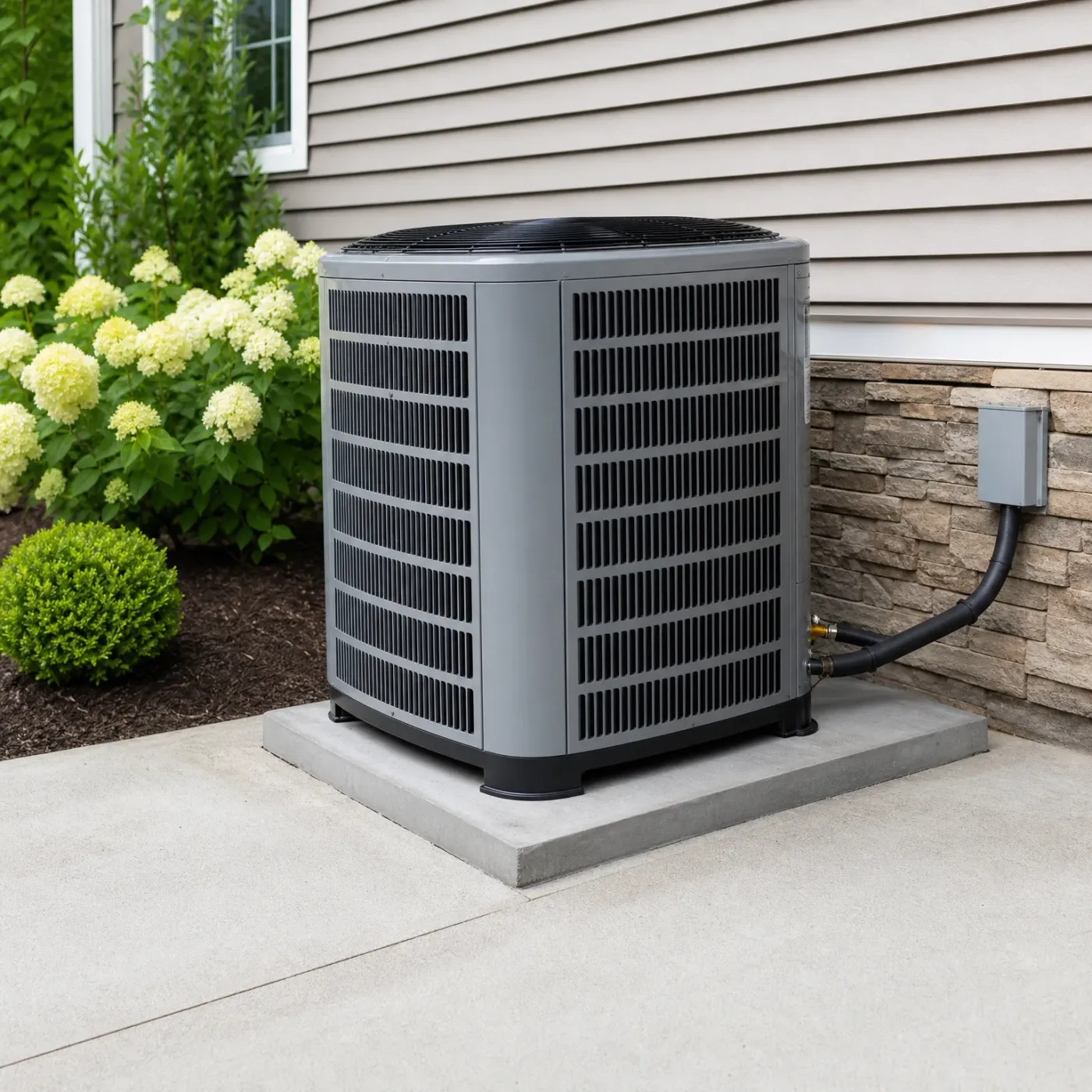
A gray outdoor air conditioning condenser unit on a concrete pad beside a house with horizontal siding and a stone veneer base, with refrigerant line and electrical disconnect box on the wall and flowering shrubs to the left.
The coil stays clean and the lines run straight to a system that's cycling the way it should.
An outdoor air conditioner condenser unit on a concrete pad beside a house with light gray horizontal siding, with mulch and green shrubs on either side and a concrete walkway in the foreground.
Years of grime on the fins make it harder for the unit to shed heat, so cycles run short and moisture stays in the air.

Why does your house feel clammy even with the AC on

You walk in from the heat, the thermostat says 72, and the air still feels thick. Sheets stay damp overnight. Wood doors swell and stick in their frames. Glasses sweat the second you set them down, and so do your windows on muggy mornings. Closets and basements can pick up a musty smell that wasn't there last summer. None of this means the AC is broken. It means it's cooling the air faster than it's drying it. Left alone through a full Iowa summer, that extra moisture gives mold and mildew a place to take hold, in closets, behind furniture, along baseboards, and it can slowly warp wood trim and flooring.

A gray outdoor air conditioner condenser unit on a concrete pad beside a house with horizontal vinyl siding, surrounded by mulch, flowering shrubs, and lawn.

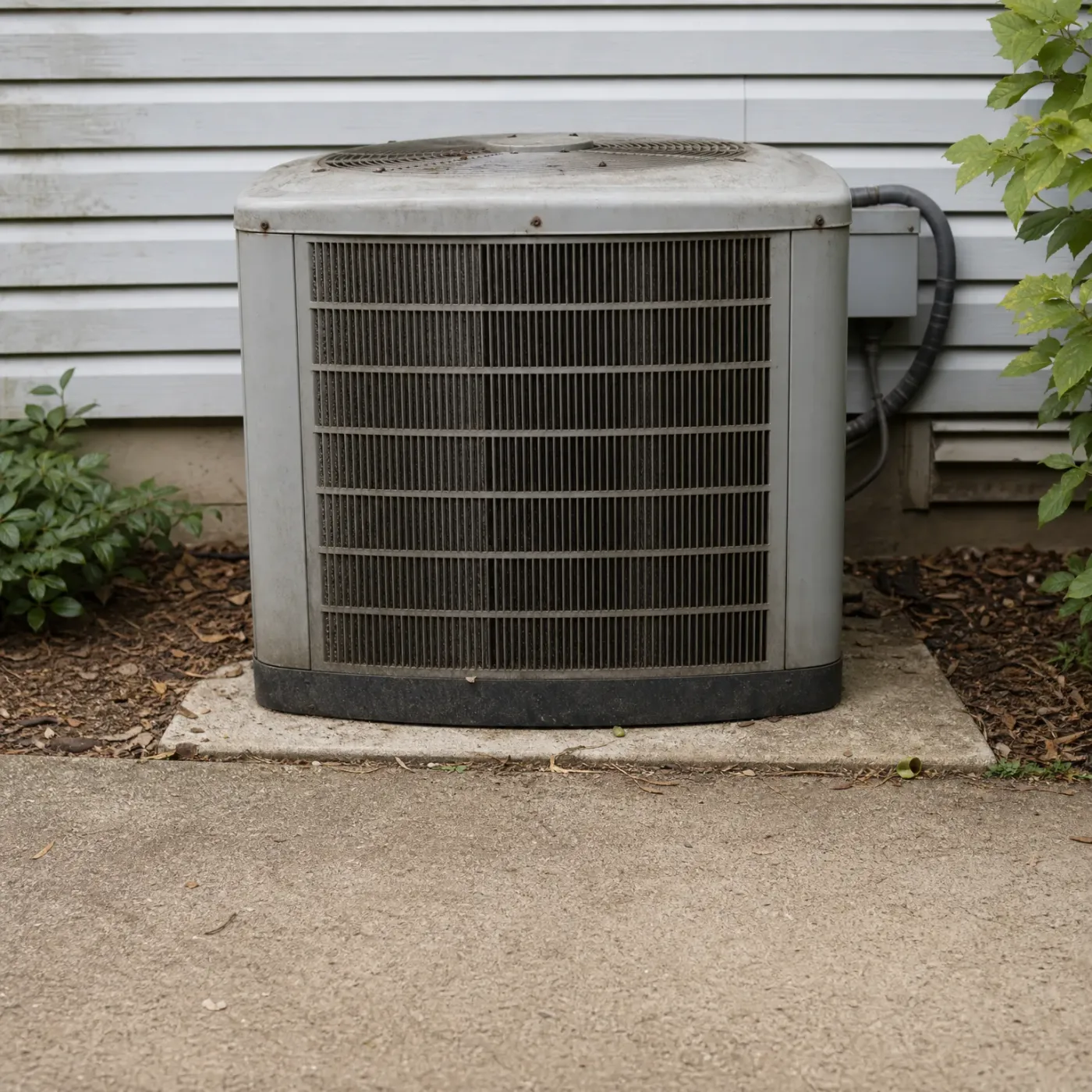
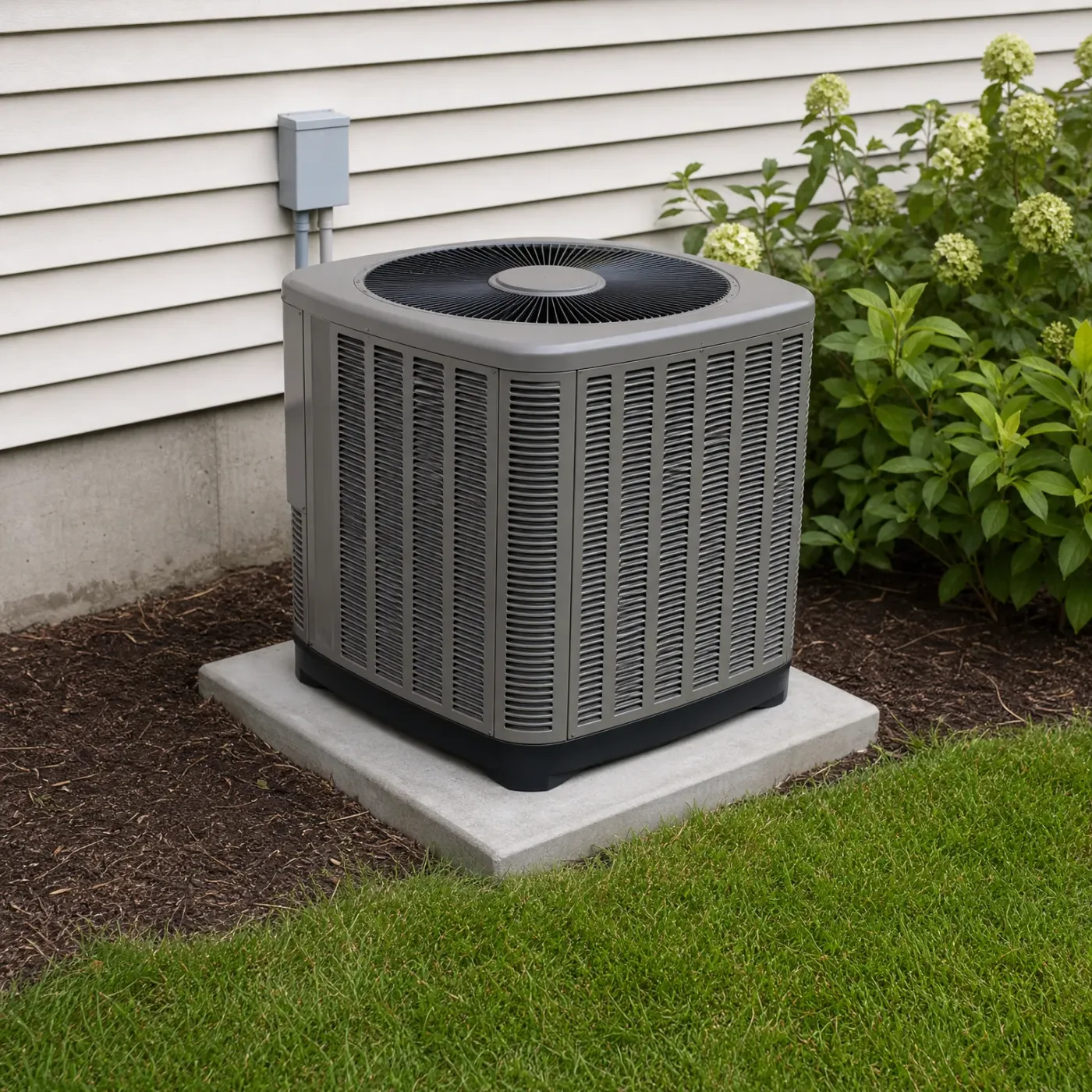
Clean coil, steady cycles

The fins are open and the unit sits clear of mulch and leaves. Air moves through the coil the way it's built to, so the system can run a full cycle and pull the moisture out before it shuts off. Dark mulch and lawn around it don't block airflow when the coil itself is clear.
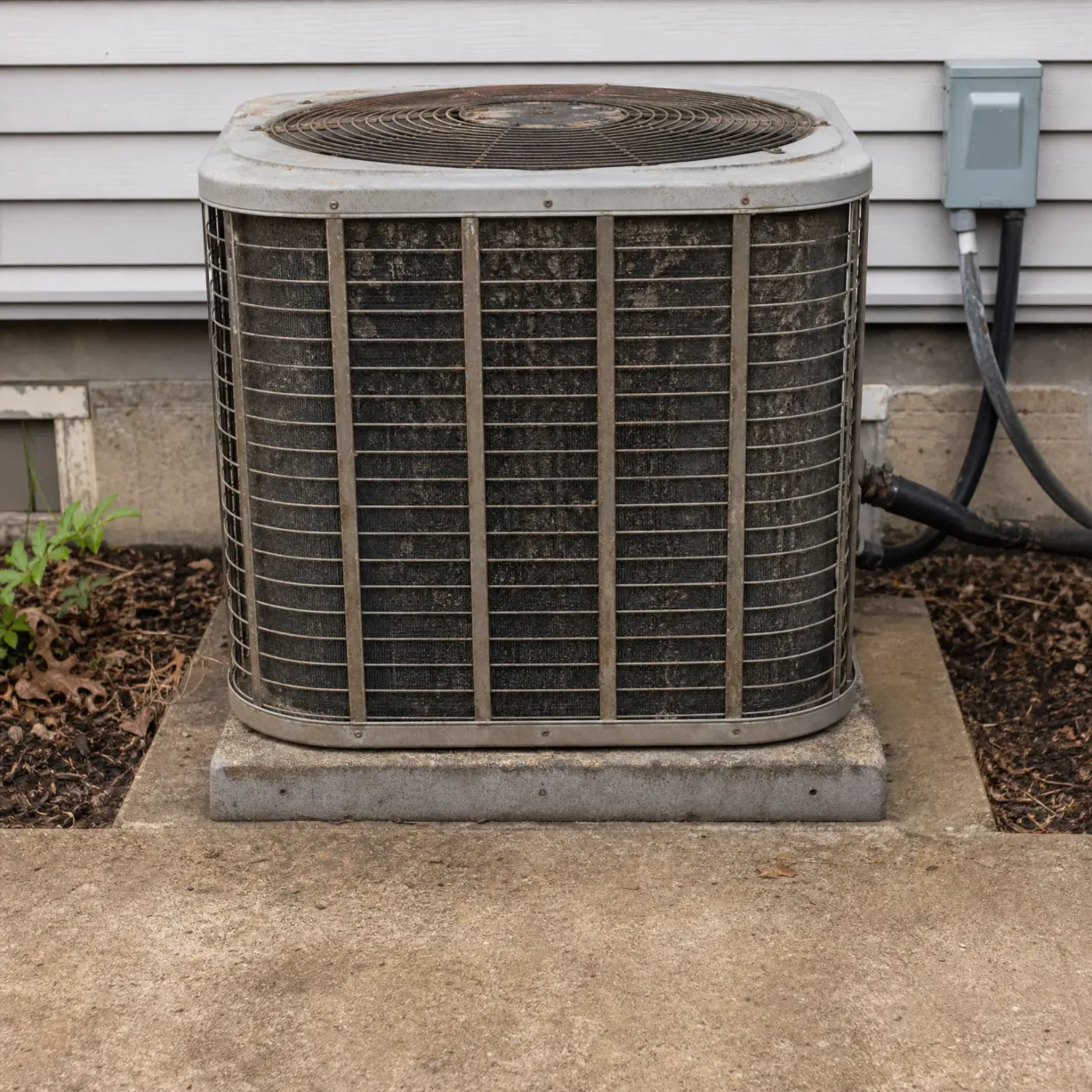
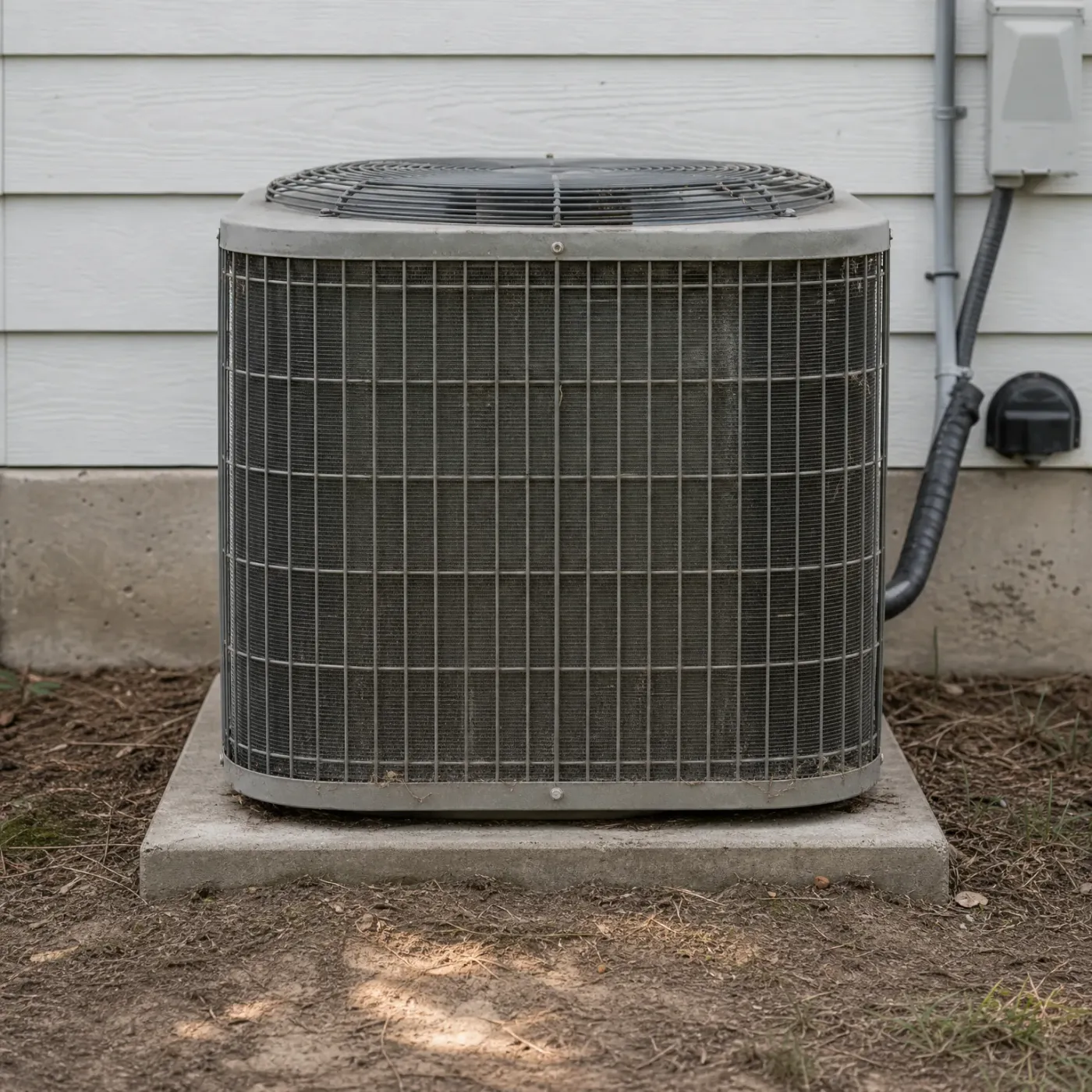
A weathered outdoor air conditioning condenser unit on a concrete pad beside a house with light horizontal siding, an electrical disconnect box and conduit on the wall, and mulched soil on either side.

Caked coil, short cycles

Dirt and grime coat the fins and the cage around them, so the coil can't shed heat the way it should. The system shuts off before it's run long enough to dry the air out, and the conduit and disconnect box keep working while the coil underneath falls behind on the one job that controls humidity.

An outdoor air conditioning condenser unit on a concrete pad beside a house with horizontal lap siding, with a conduit and electrical disconnect box on the wall at right.
Before you get your air conditioner installation
A gray outdoor air conditioner condenser unit on a concrete pad beside a house with horizontal lap siding, with a wall-mounted disconnect box and conduit to its right and shrubs to the left.
After you get your air conditioner installation

Get the right pro for your air conditioner

One request and the search for a pro is handled.

You're not committing to anything by asking.

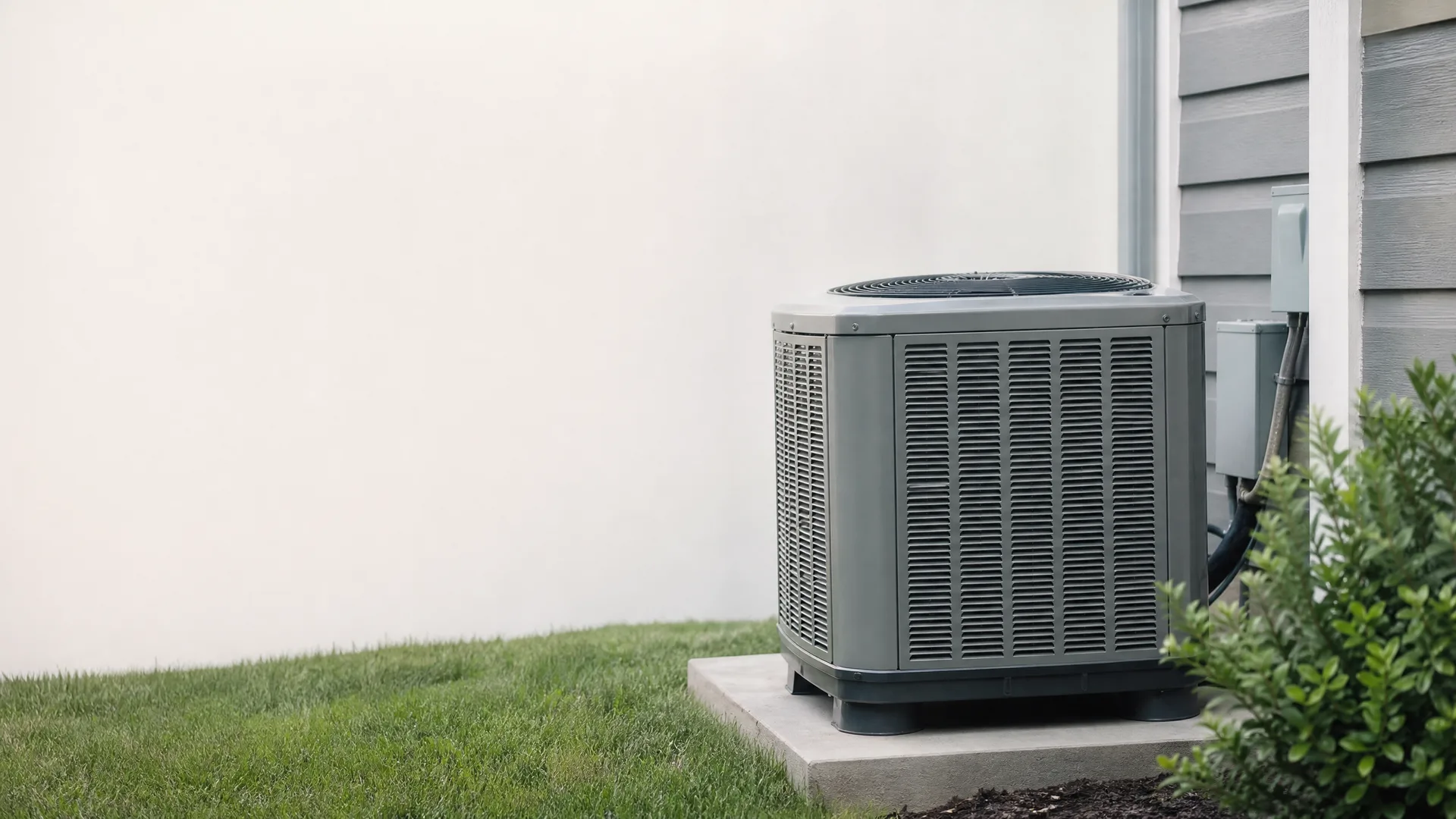
A gray outdoor air conditioner condenser unit on a concrete pad beside a house corner with lap siding and a stucco wall, surrounded by mown green grass.

A whole-house dehumidifier fits in

A whole-house unit ties into your ductwork and drains on its own, so it runs whenever humidity calls for it, not just when the AC happens to be cycling. It can pull moisture out on a cool, damp day in April or October when the AC has no reason to run at all. That's the gap an AC alone can't cover, because it only dehumidifies as a side effect of cooling.

An outdoor air conditioning condenser unit on a concrete pad beside a house with light stucco and lap siding, with mown grass to the left and a green shrub to the right.

A portable unit has real limits

A portable dehumidifier covers one room, not the house, and you empty its tank by hand or run a hose to a drain. It adds heat to the room as it runs, which is fine in a damp basement but works against you anywhere the AC is also trying to cool. For a single musty room it can help. For a whole Iowa house sticky from June through August, it's not built for the job.

Will a dehumidifier fix it if my AC can't keep up?

You've thought about adding a dehumidifier because the air still feels sticky, but if the AC itself is struggling to keep the house cool in the first place, you want to know whether a dehumidifier would actually solve that or just mask it while the real problem keeps going.

A dehumidifier won't fix an AC that can't keep up

A dehumidifier pulls moisture out of air that's already in the room. It does nothing for a house that won't cool down, because that's a different job entirely. If your AC runs most of the afternoon and the house still sits a few degrees above the thermostat setting, the unit is undersized, low on refrigerant, or the coil isn't moving enough air. Adding a dehumidifier on top of that treats the dampness while the cooling problem keeps going underneath it. The fix in that case is diagnosing the AC itself, not adding a second machine. Once the system is sized right and cooling the way it should, the moisture problem usually clears up on its own, since a healthy AC removes humidity as part of running a full cycle.

A single-story gray horizontal-siding house with multiple front-facing gables, white-trimmed windows, a dark front door, and a concrete walkway crossing a partly dry lawn under a clear blue sky.

Iowa summers average a dew point of 62°F across June, July and August, according to NOAA climate data. That's the sticky range, the kind of air that feels heavy even standing still. Your AC has to pull more water out of that air to leave the house feeling dry, and it can only do that by running long enough per cycle for the coil to catch it. On a muggy July afternoon with the dew point sitting up near 62, a short-cycling unit cools the room but leaves the moisture behind, and that's when floors feel tacky and the air inside doesn't match what the thermostat says. A system running full cycles handles that same air without trouble.

NASA POWER T2MDEW county cells weighted by homes

A woman wrapped in a cream textured blanket sits in an armchair beside a lit lamp and a dark window, with an open book in the foreground.
A smiling older woman with gray hair in a cream knit sweater stands in a dimly lit kitchen beside a window showing snow outside, with a round loaf of bread on the counter in the foreground.
A woman in a cream sweater and jeans stands in the open doorway of a white stucco house, holding the dark door, while a man in a dark quilted jacket seen from behind walks toward the entry past potted plants.

So, does your AC need help, or does it need a second look

Most Iowa homes get through a sticky summer on the AC alone, as long as it's running full cycles and the coil is clean. A dehumidifier earns its place when the system is right-sized and still can't keep the inside air from feeling damp, usually in spring and fall when it's too cool out for the AC to run long but still humid enough to notice. If your system is short-cycling or oversized, that's a sizing problem, and a dehumidifier won't fix it.

If you're not sure which one describes your house, that's worth getting looked at before you buy anything. A contractor who knows your ductwork and your equipment can tell you whether the fix is a dehumidifier, a repair, or a system that's due for a change, and reach out once you're matched. You won't have to track that down yourself.

A living room corner with a beige sofa and cushion, a round wooden coffee table holding a pale ceramic vase of eucalyptus stems and a wooden bowl, and a curtained window with a potted plant above a latticed radiator cover in the background.
A single-story stucco house at dusk with a lit paver walkway lined by low path lights, desert plants and boulders in front, and distant mountains under an orange and blue sky.

Air Conditioner Installation

A pro who works on air conditioners

Step 1 of 3: Equipment
  • A corner of a room with an upholstered wood-framed armchair holding a floral pillow, a round side table with a ceramic lamp, books and a vase of greenery, a framed landscape painting on the wall, a patterned rug, and a sunlit multi-pane window.
    • Describe your air conditioner job, and a local pro who handles it gets in touch.
    • Say what's going on with your air conditioner, and a pro who works on them reaches out.
  • Interior corner with a wood-framed window showing green foliage outside, a framed landscape print on a beige wall, and a rounded stone vase of leafy branches on a wooden cabinet.
    • Send the form and stop researching installers for the new air conditioner.
    • One request ends the search for an air conditioner installer.
  • A pale ceramic vase holding olive branches sits on a dark wooden countertop beside a carved wooden dough bowl, next to a wood-framed window and a light painted plank wall.
    • Describe the project once instead of to every installer.
    • Skip collecting and comparing quotes for the new air conditioner.
  • A dark wood round side table holding a brass lamp with a cream shade, a blue-and-white patterned bowl, and a white textured pot of greenery, beside an upholstered chair with a gray patterned cushion and a white-framed window showing green trees and flowering shrubs.
    • One installer gets your project, so there's no bidding war over it.
    • The pro who reaches out is licensed in Iowa.