
Central AC or mini split for an Iowa home
For most Iowa homes, central AC is still the better fit. Your house already has ductwork from the gas furnace that heats it all winter, and central air uses that same system, so there's no new equipment to mount on the walls and no line sets to run outside. A mini split earns its keep in a room central air can't reach, like a finished attic, a garage, or an addition that was never tied into the ducts. It also makes sense if you're cooling a space without any existing ductwork at all. But if you're replacing a system that already cools the whole house through vents, matching that setup usually costs less and causes less disruption than switching to a ductless one. The humidity here all summer means whichever system you choose needs to be sized and installed to actually pull moisture out of the air, not just drop the temperature. That part matters more than which system you pick.
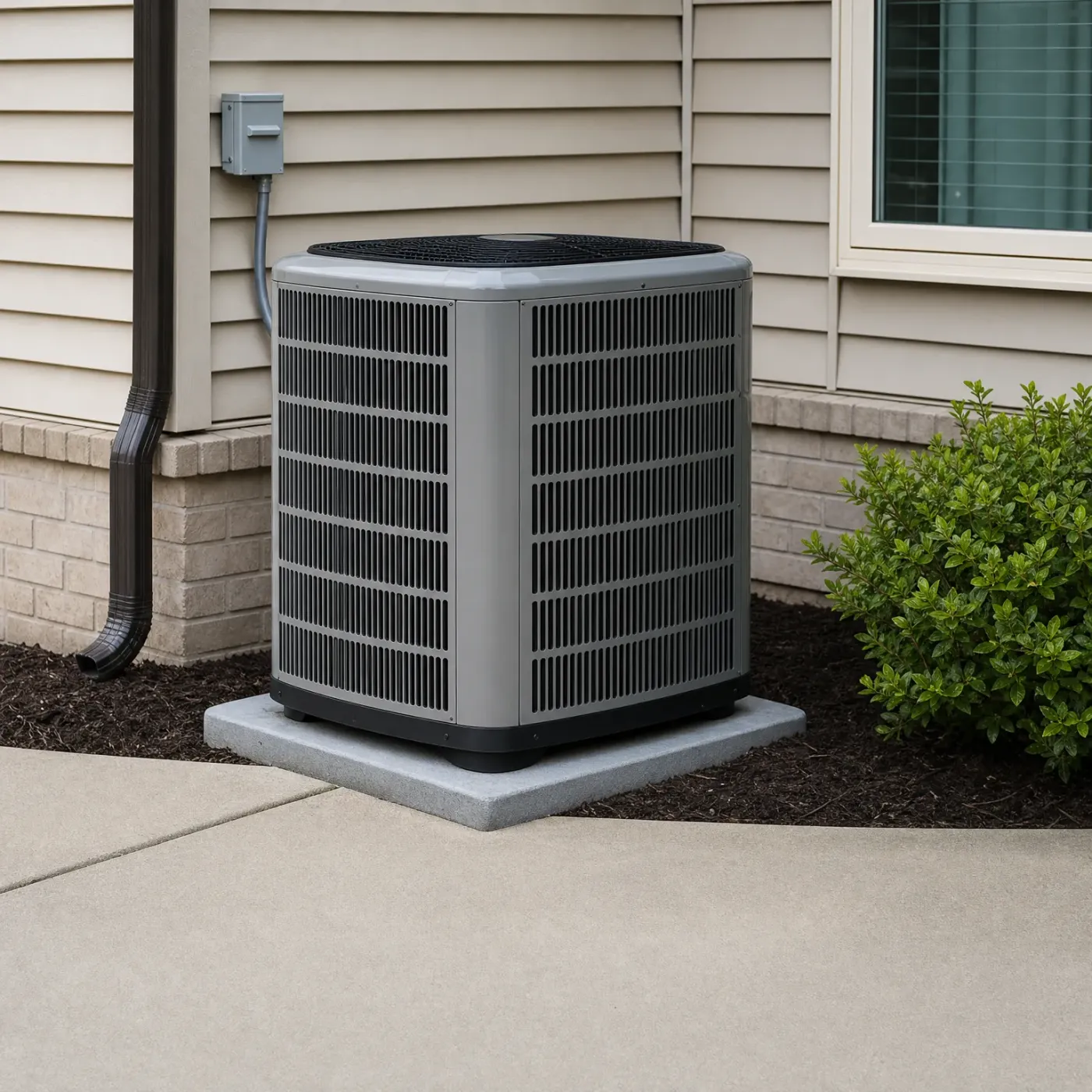
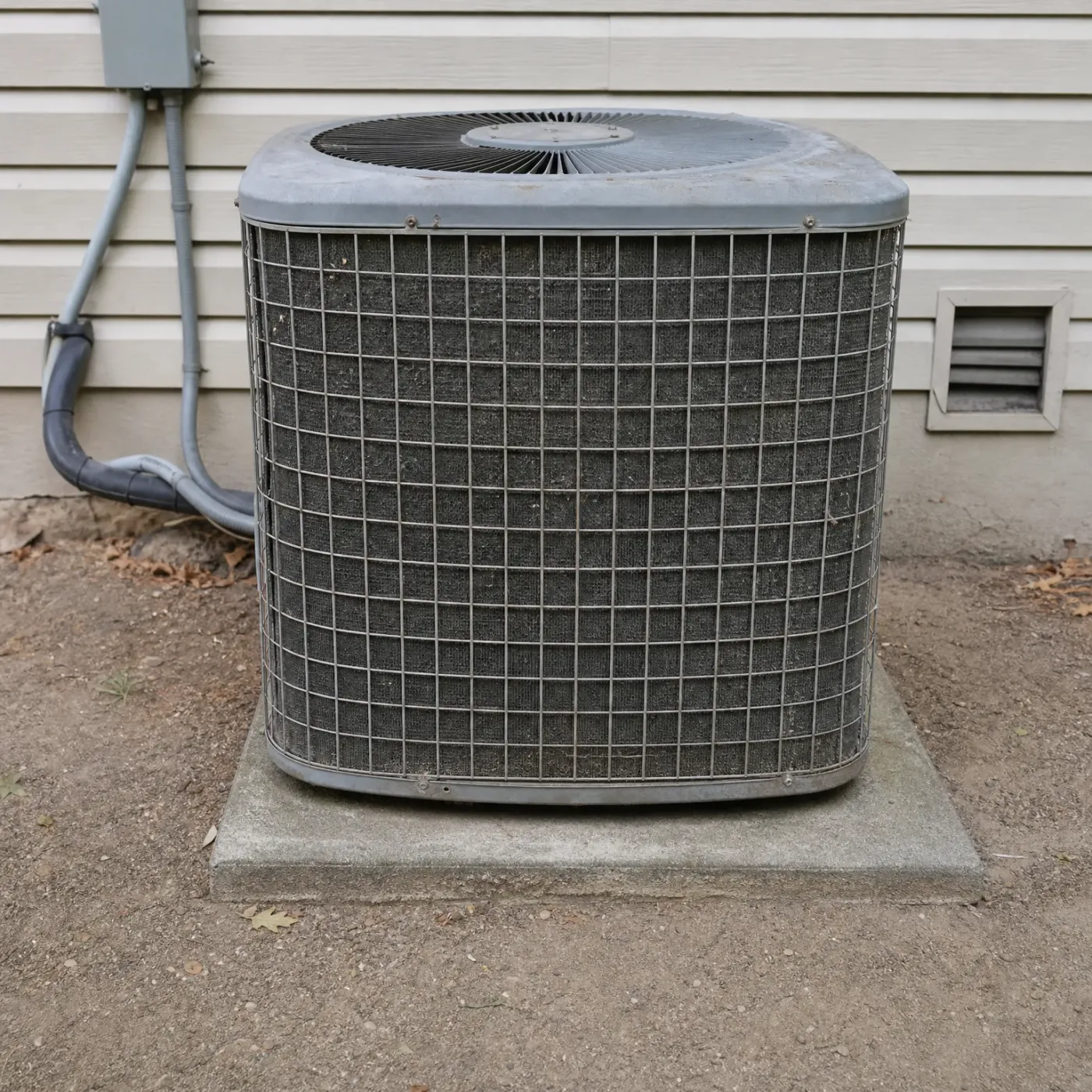
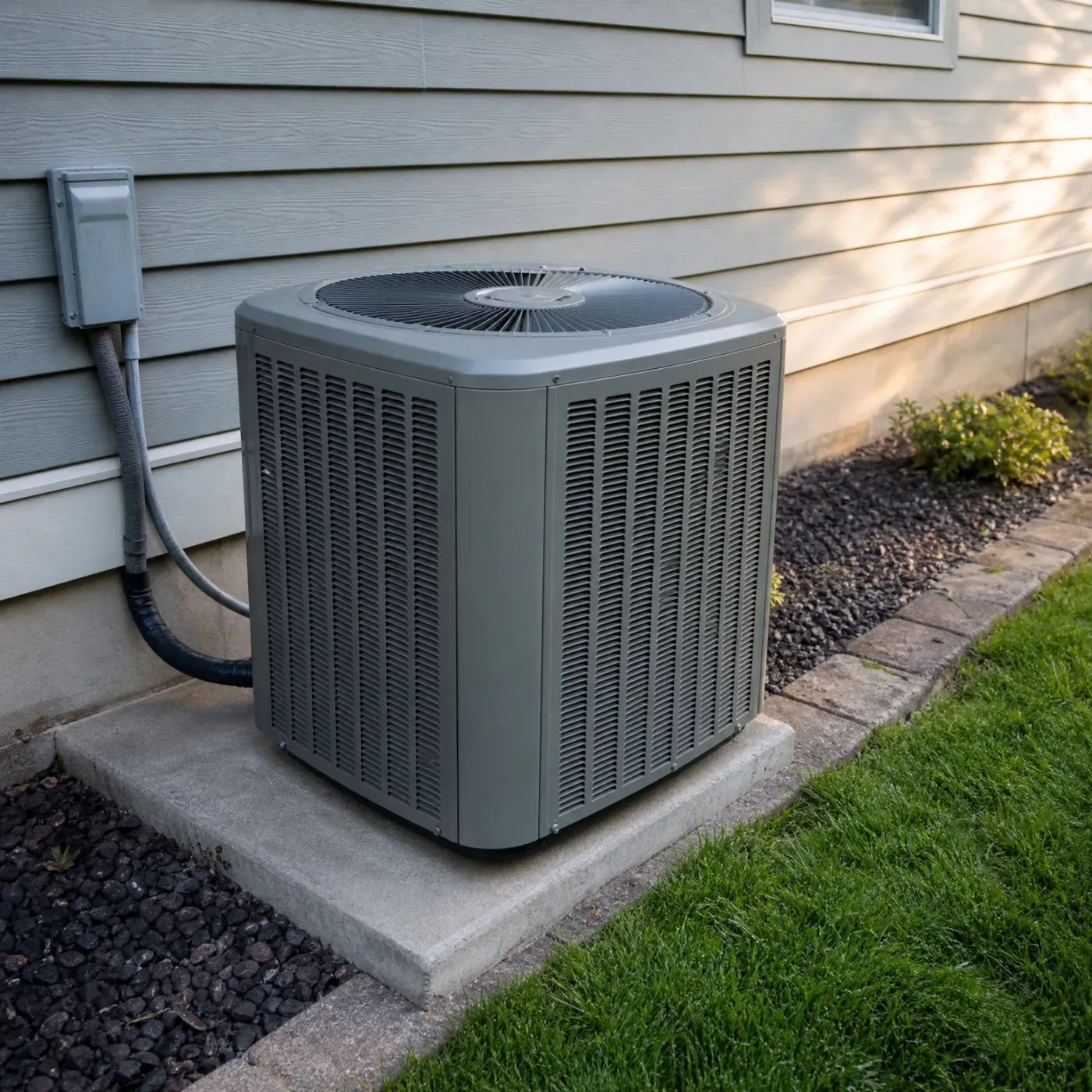
Central air works off one loop. Warm air gets pulled back through the ducts, passes over a coil loaded with cold refrigerant, and comes out the supply vents cooler and drier. The outdoor condenser is doing the other half of that work, squeezing the refrigerant back into a hot liquid and dumping that heat outside through its own coil and fan. That's the whole system, one thermostat, one blower, every room on the same setting.
A mini split handles it differently. There's no duct run at all, just a wall-mounted head in the room and a smaller unit outside connected by a line set. Each head has its own blower and its own control, so a bedroom can run cooler than the living room without anyone fighting over the thermostat.
Either way, the real work against Iowa's humidity happens at the coil. Moisture condenses on that cold surface and drains off, and that matters more on a sticky August afternoon than whatever number is set on the dial.
How Each System Actually Cools
- A central system cools by pulling warm air through return ducts, running it over an indoor coil filled with cold refrigerant, then pushing it back out through the supply ducts.
- The outdoor condenser compresses refrigerant gas into a hot liquid and sheds that heat through its coil with a fan, which is why it needs clear space around it.
- A mini split does the same basic job but splits it across a wall-mounted indoor unit and a smaller outdoor unit, with no ducts involved at all.
- In a central system, one thermostat and one blower set the temperature for the whole house, so every room shares the same setting.
- A mini split's indoor head has its own small blower and its own remote or control, so each room it serves can run at a different temperature.
- Humidity comes out of the air as moisture condenses on the cold coil and drains away, which matters more in Iowa's muggy stretches than the thermostat number does.
It's off your list after this
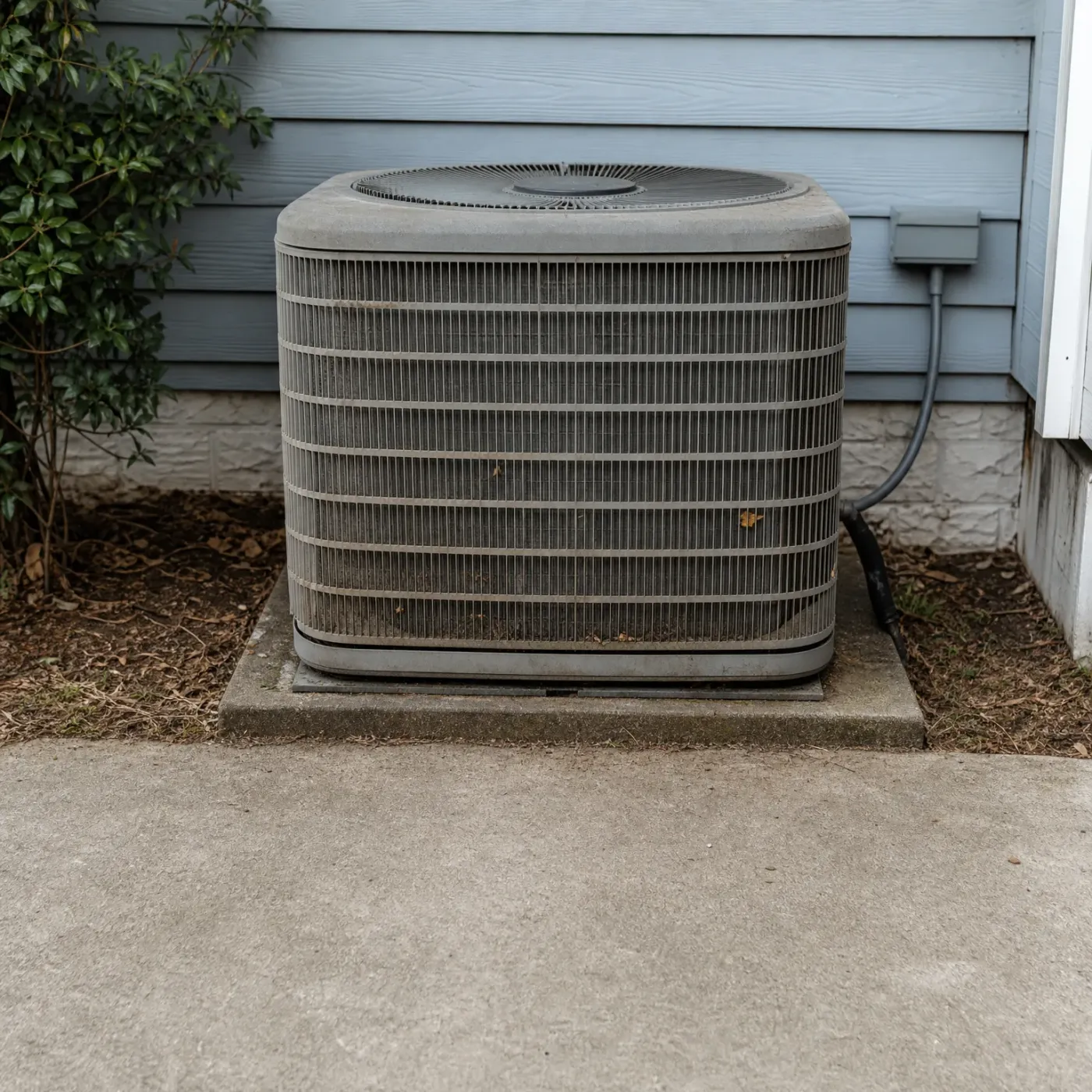
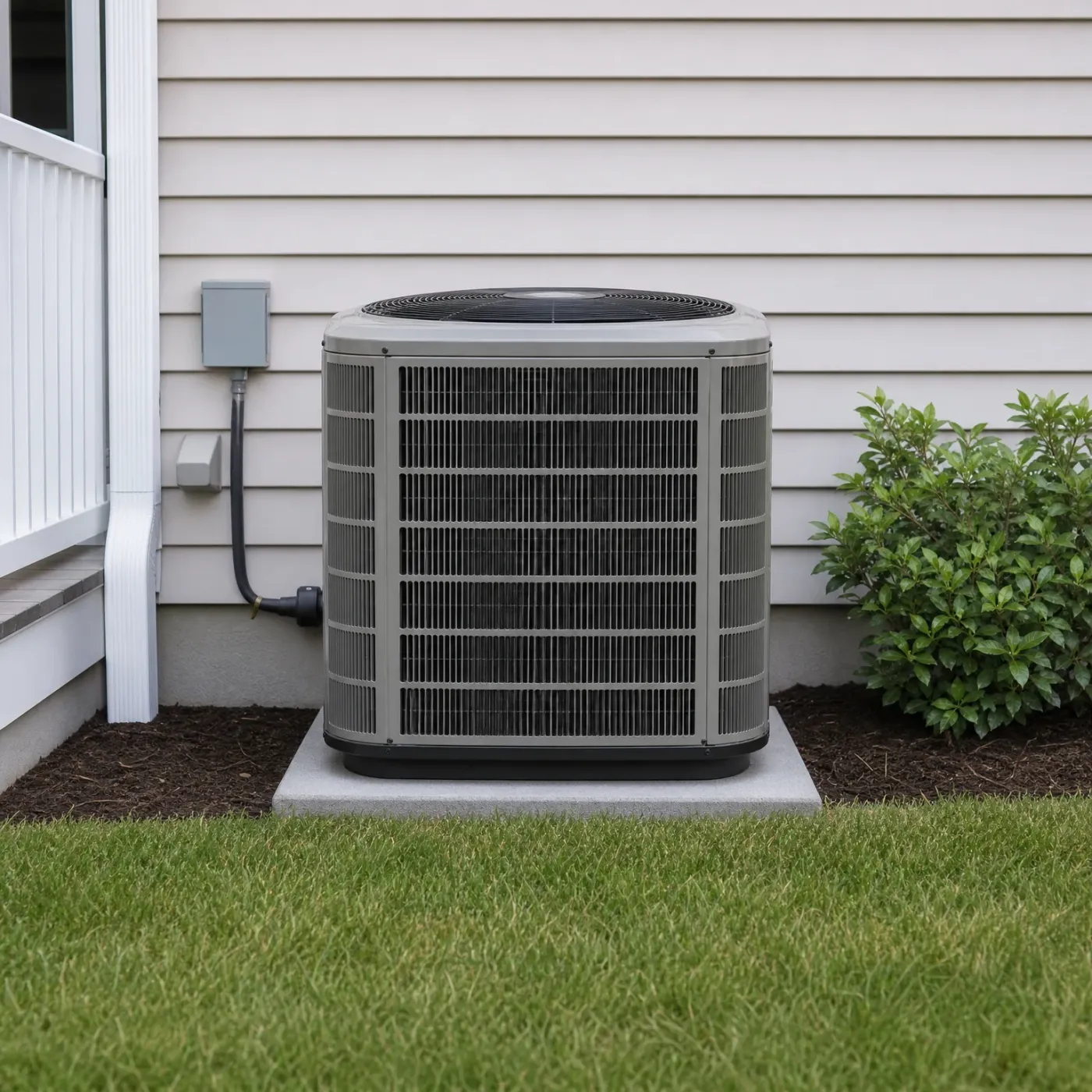
If your home already heats with a gas furnace, the ductwork is sitting there doing half the job already, and central air just uses it. That's why most Iowa homes end up going that way instead of mounting mini split heads on the walls. Humidity is the real test here. July and August push the dew point up for weeks at a stretch, and a central system pulling air through return ducts, across a cold coil, and back out through supply ducts handles that load across the whole house at once, not room by room. Getting the right size unit matched to your ductwork matters more than the brand on the box, and that's a judgment call worth getting right the first time. A local contractor who installs these systems every summer in this climate knows what sizing works for Iowa houses and what doesn't. Send in your details and that one contractor, not a handful of competing callers, takes it from there. You stop chasing quotes and start waiting for someone who already knows the job.

By nine the sun's down but the room upstairs hasn't let go of the day. The box fan sits in the window, pulling in air that's just as thick as what it's pushing around. You're on top of the sheet, not under it. The fan hums and the curtain doesn't move on its own, only when the blades catch it. Somewhere outside a dog barks once and quits. You can feel the heat sitting on your skin, that Iowa July kind of wet heat that doesn't cool off much even after dark. You already know the ceiling fan downstairs won't help up here. You turn the box fan up a notch, punch the pillow flat, and wait for the room to lose a few degrees before you can actually sleep.
Power costs 13.62 cents per kilowatt-hour statewide
At 13.62 cents per kilowatt-hour, running central air costs less here than in most states. A properly sized system tied into your existing ducts won't run up your bill the way an undersized or poorly installed one will, so getting the install right matters more than the rate itself.
EIA-861 2025 statewide residential average




A mini split needs one outdoor compressor for each indoor head, and most installers size and place those to cover specific rooms, not the whole house.
Ductwork already splits that air through every room from one condenser, which is why most Iowa homes with a furnace stick with central air instead.


Central Air Is the Right Call
- Central air using your existing ductwork is the right call for most Iowa homes, including yours if a gas furnace already heats it.
- A mini split earns its place only when a room has no ducts running to it, not as a replacement for the system you already have.
- Getting the size and the charge right the first time matters more in Iowa's humidity than it does in a drier state.
- A local contractor who installs these systems every summer here knows which brands and sizes hold up against Iowa humidity and which don't.
- Submitting the form connects you with one licensed local contractor, not a handful of companies competing for your callback.
- The ductwork sitting in your walls right now is the main reason this decision is simpler than it looks.
If a gas furnace heats your house, central air tied into that same ductwork is the right choice. The ducts are already there, already sized to move air through every room, and a condenser on the pad finishes the job the furnace started. A mini split has its place, but only for the rare room a duct never reached, not as a stand-in for the system your house is built around.
What decides whether that install holds up through an Iowa summer isn't the brand on the box. It's whether the person setting the charge and sizing the unit has done it enough times here to know what the humidity does to a system that's even slightly off. A unit sized for a drier state struggles here. One sized and charged right for Iowa runs the way it should, July through September, without the short cycling that wears out a compressor early.
That's the gap a local contractor closes. Someone who installs these systems every summer in this state has seen which units hold up against the humidity and which ones come back as callbacks. Send the form and you're handed to one contractor, licensed and local, not a list of companies bidding for your number. No guessing which one to trust and no fielding five calls to find out.
The ductwork in your walls already did the hard part. The rest is making sure whoever hooks up the condenser gets the size and the charge right the first time.
Stop chasing an air conditioner pro
Your request goes to one pro, not a list of companies.
Sending the form costs nothing.