






Get AC Iowa

AC unit frozen up in Cedar Rapids, IA

Get matched with someone who does this kind of work in Linn County.

Get matched

A frozen AC usually means airflow is blocked somewhere, most often a dirty filter, closed vents, or a coil that hasn't been cleaned in a while. When air can't move across the indoor coil, the coil gets cold enough to freeze the moisture in the air right onto it. A low refrigerant charge does the same thing, because the coil runs colder than it should. Once ice builds up, the system can't pull heat out of your house, so it runs and runs without actually cooling. Turn the thermostat to off and set the fan to on so the ice can melt, which usually takes a few hours. Don't keep running it iced over, since that can push liquid refrigerant back to the compressor and damage it. If it freezes again once it's thawed and running, the cause needs to be found before it's worth calling it fixed.

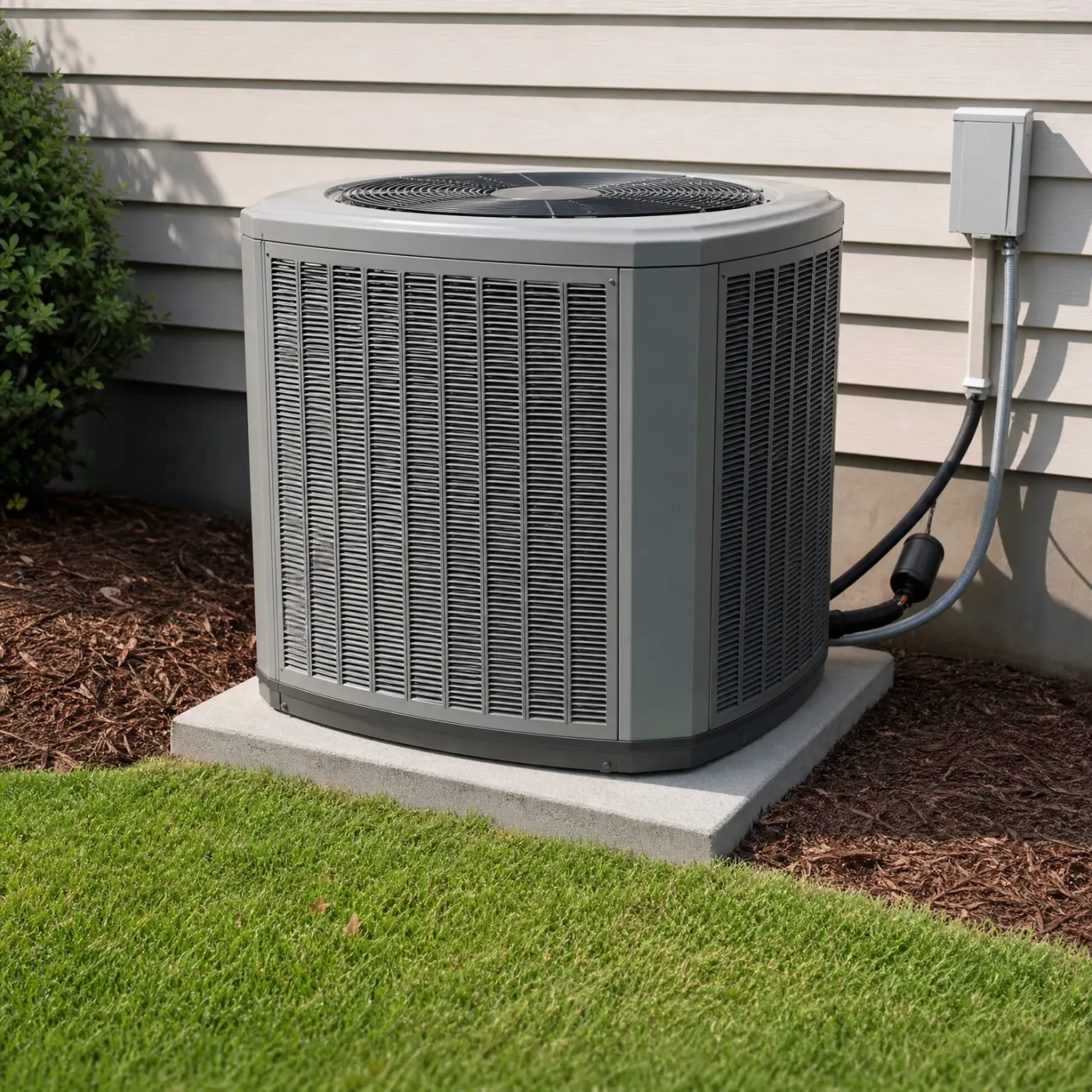
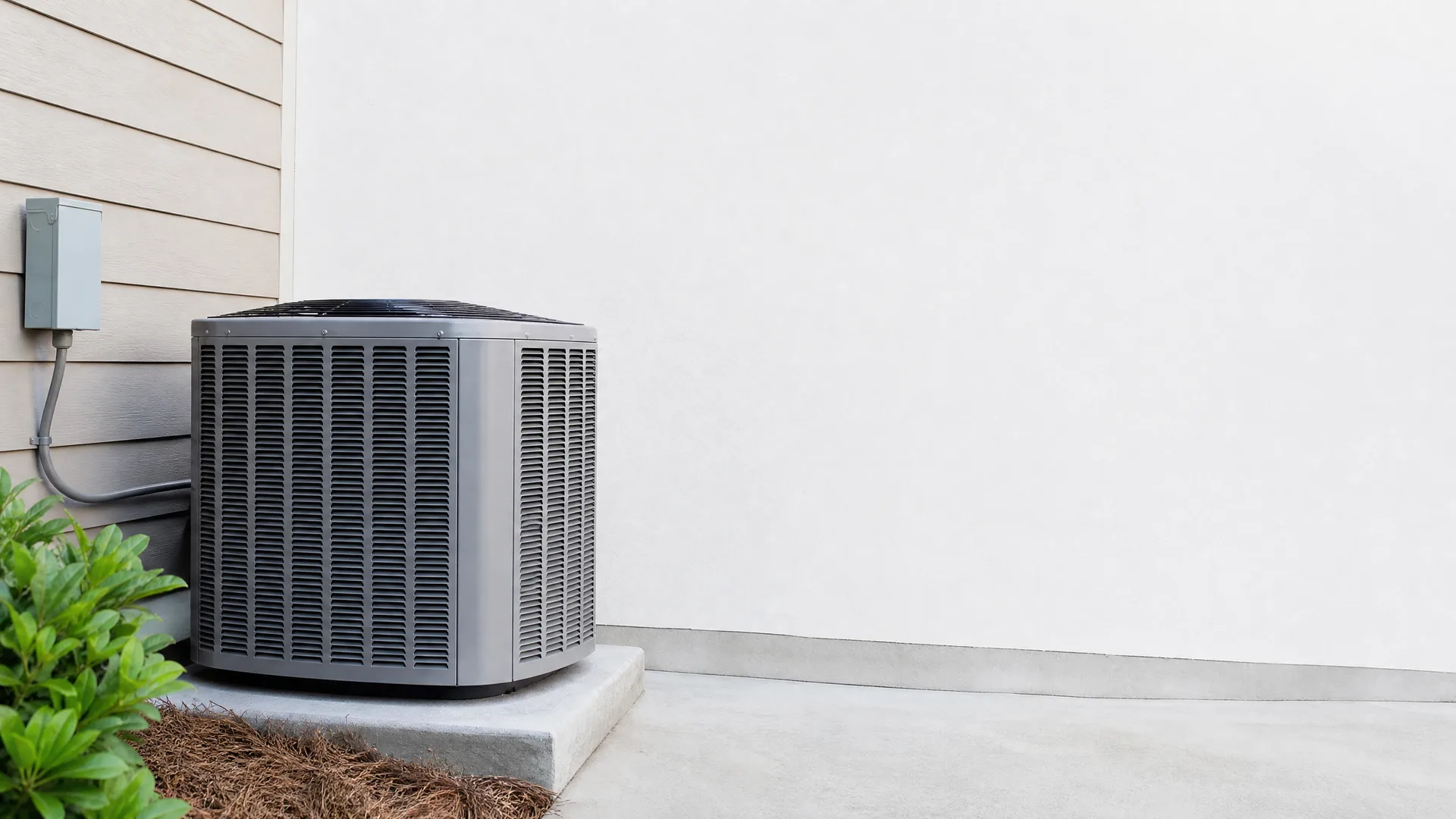
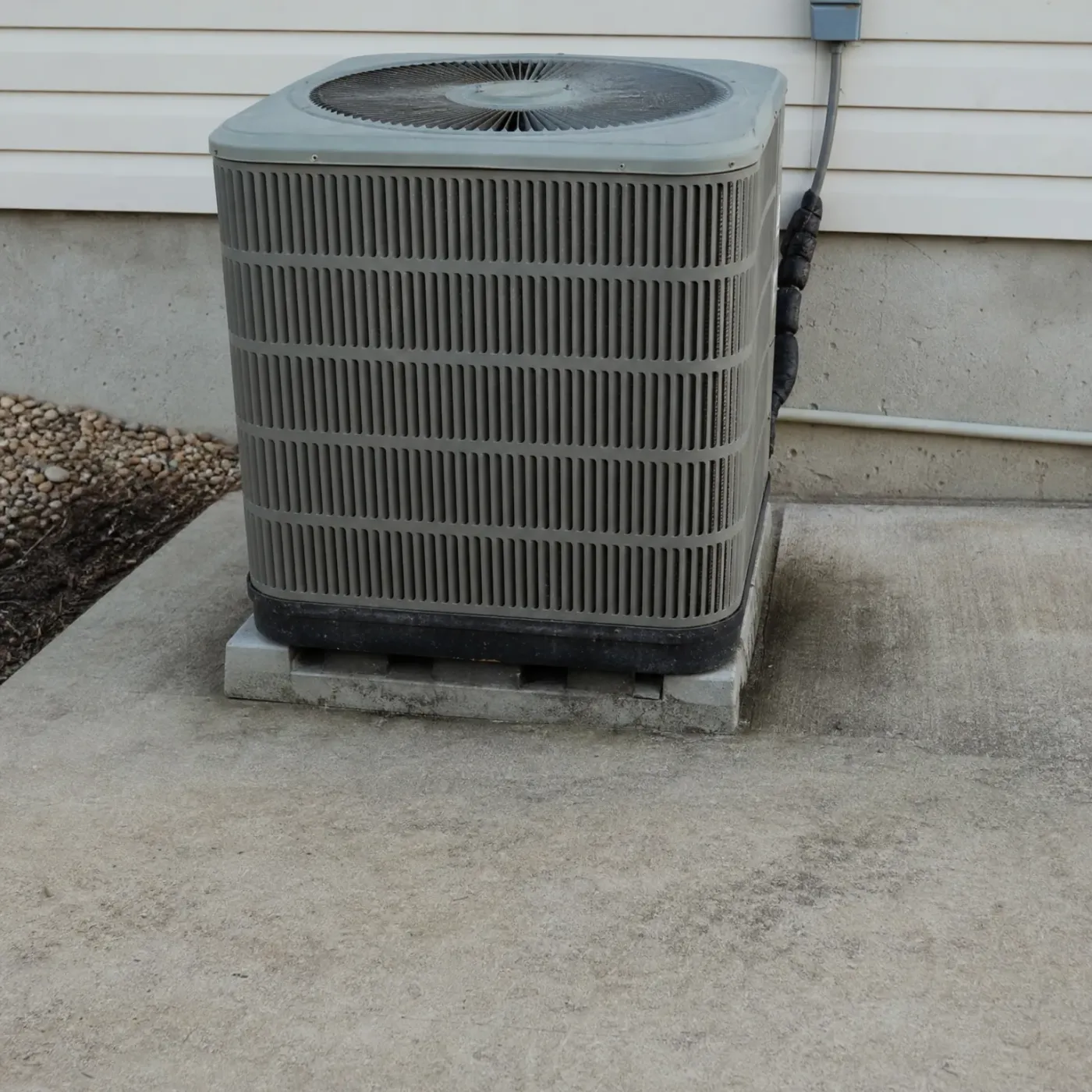
A gray outdoor air conditioner condenser unit sits on a concrete pad beside a house, with a gray electrical disconnect box and conduit on the lap-siding wall above it and a green shrub and pine straw at the lower left.

Why the coil freezes first

The indoor coil holds refrigerant that's supposed to stay cold enough to pull moisture out of the air, not cold enough to freeze it. Once airflow drops, that coil loses the steady flow of warmer house air it needs to stay in range. The temperature at the coil surface falls below freezing, and the humidity already in that air turns to frost right on the metal. The frost then blocks even more airflow, so the problem builds on itself.

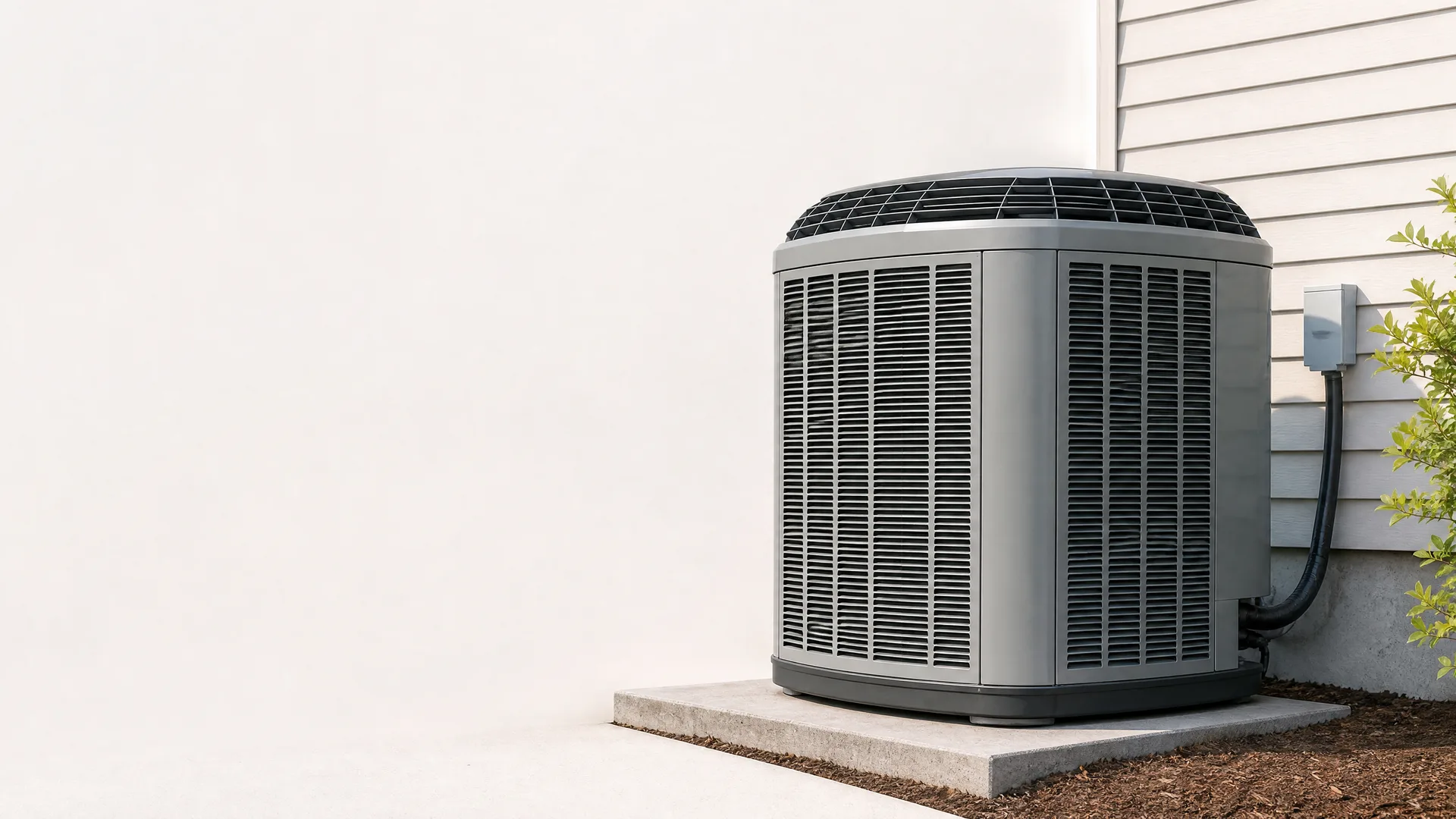
A gray outdoor air conditioner condenser unit on a concrete pad beside a light-colored stucco wall and horizontal lap siding, with an electrical disconnect box, conduit, mulch, and a shrub at right.

What low refrigerant does the same way

A low refrigerant charge causes the same freeze even with the filter clean and the vents wide open. Less refrigerant means lower pressure in the coil, and lower pressure means a colder coil. A unit that's been losing refrigerant slowly over a season can run fine on mild days and still ice over on the hottest afternoons, which is often when a Cedar Rapids homeowner notices it.

A man in a dark jacket and khaki pants walks through an open gate in a stone wall toward a woman standing in the open front doorway of a single-story white house with a dark shingled roof and river-rock accents.

What a frozen unit means for your house

While that coil is iced over, your AC is not cooling. You will feel it first in the rooms farthest from the unit, since whatever air is still moving carries less and less cold with it. Run the system anyway and the ice just builds, and water from the melt has to go somewhere. In a lot of houses that means the drain pan, and from there the floor or ceiling below it if the pan overflows.

It also leans on the compressor, the part that costs the most to replace. None of this tells you if the fix is a new filter or something in the refrigerant line, and that's not something to guess at with Cedar Rapids humidity working against you all summer. A contractor who services this area can look at your system and tell you which one it is, instead of you calling around and explaining the same thing twice.

A shallow dark wooden bowl and a stack of books rest on a wooden table in front of a beige sofa with linen and green cushions, with a tall ceramic vase of thin branches beside a window in the background.
A smiling woman with long dark hair in a gray sweater sits at a white stone counter with a glass of white wine, with a kitchen, fireplace and sofa visible behind her.
A smiling woman with dark hair in a cream sweater sits at a marble table with a glass of red wine, with a lit lamp, sofa, fireplace and kitchen counter behind her.
A woman in a cream sweater laughs while seated at a marble countertop with a glass of red wine, with a dimly lit living room and sofa behind her.
A woman in a beige turtleneck sweater with her hair up sits laughing and looking to the side at a white marble table with a glass of red wine, in a dimly lit interior with a lamp and seating area behind her.

Shut It Off or Let It Run

Turn it off

  • Shutting the system down lets the coil thaw fully, which can take a few hours depending on how much ice built up.
  • You lower the risk of liquid refrigerant slugging back to the compressor, a problem that shows up as a bigger repair later.
  • You won't find out what caused the freeze until the ice is gone and a contractor can see the coil and airflow clearly.
  • Your house will warm up while the system sits off, which matters if Cedar Rapids is in the middle of a stretch of muggy days.
  • Nothing gets fixed just by waiting. The filter, the vents, or the coil still need attention once things thaw.

Keep running it

  • Running a frozen system pushes it to cool with a coil that's already blocked by ice, so you get little or no cold air for the effort.
  • The compressor keeps working against restricted refrigerant flow, which is the part most likely to fail if this keeps up.
  • Ice tends to build on top of ice, so the blockage gets worse the longer the system runs instead of resolving itself.
  • Water from the melting ice has somewhere to go, and running the blower without addressing the cause raises the chance it ends up on your floor instead of in the drain pan.
  • You delay finding the actual cause, whether that's a dirty filter, closed vents, or a coil overdue for cleaning, since none of that shows itself while the system is still iced over.
  1. Something restricts airflow across the indoor coil

  2. Refrigerant inside the coil drops below freezing

  3. Moisture in the passing air freezes onto the coil

  4. Ice spreads and blocks the little airflow still getting through

What are you seeing at your own unit right now

Look at the outdoor unit and the indoor coil if you can get to it. Ice usually shows up as a solid white crust, not just frost, and it can wrap around the copper lines running to the house. Inside, you might notice warm air coming from the vents, water pooling near the indoor unit as the ice melts, or the system running longer than it used to without the house actually cooling down. Some homeowners hear the outdoor fan still spinning while nothing changes inside. Left alone, the ice keeps building and the compressor keeps straining against it, which is the part of the system most expensive to replace.

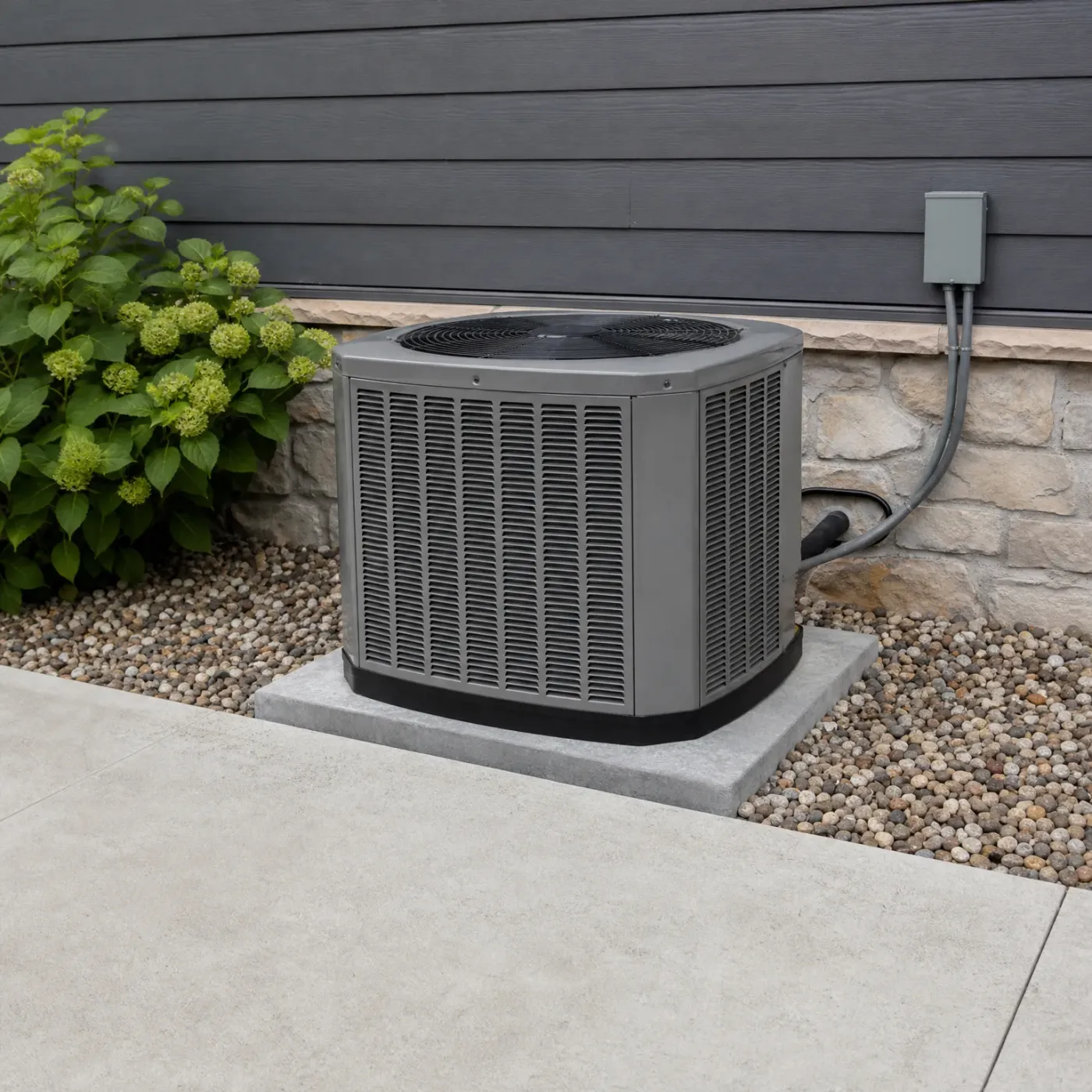
A gray outdoor air conditioner condenser unit on a concrete pad beside a house with dark horizontal siding and a stone base, surrounded by gravel, with a flowering shrub at left and a concrete walkway in front.

Running clean

This is what a healthy condenser looks like outside your house: clear fins, steady hum, no ice anywhere on the lines. Air moves through it freely and the coil inside stays at the temperature it's built for. Nothing here needs your attention yet.
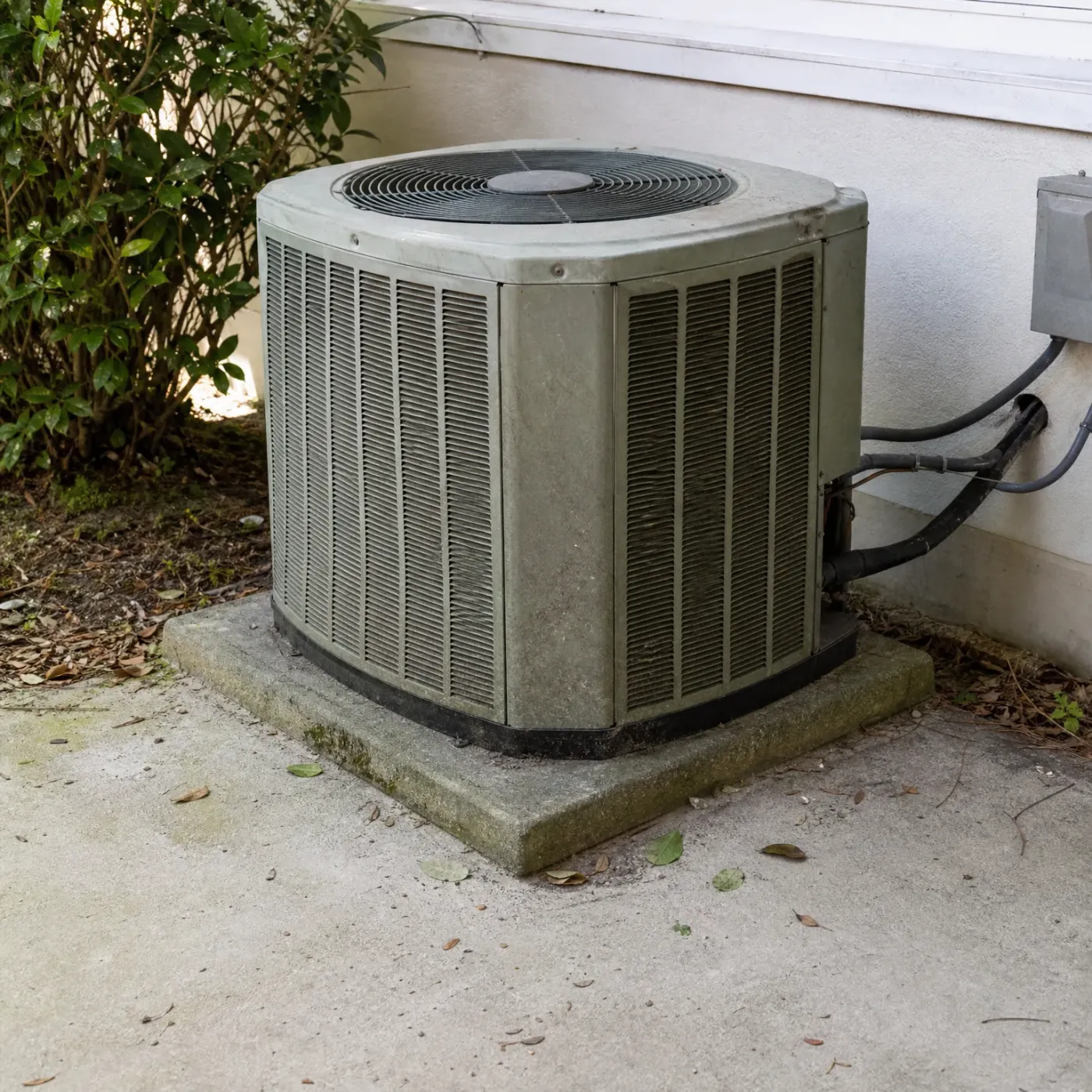
An outdoor air conditioner condenser unit sits on a concrete pad beside a stucco wall, with refrigerant lines and conduit running to the wall and a shrub to the left.

Frozen and grimy

Years of grime on the fins choke off airflow the same way a dirty filter does, and this is where it ends up. Ice has already worked its way down the lines into the wall. The weathering tells you this has likely been building for a while, not something that happened overnight.

Cooling runs June through August

Three months of real work a year is still enough to run an ice-prone coil into the ground if airflow's been off the whole time. In Linn County that stretch is June through August, so a freeze-up in July costs you a good chunk of the summer you actually need the thing.

NOAA nClimDiv 1991-2020

An outdoor air conditioner condenser unit sits on a gray pad beside a light vinyl-sided wall, on a concrete slab next to a gravel bed.
Before you get your air conditioner repair
A gray outdoor air conditioner condenser unit on a concrete pad beside a house with horizontal lap siding, with a wall-mounted disconnect box and conduit, mulch bed, shrub, and lawn nearby.
After you get your air conditioner repair

A local pro for your air conditioner repair

A frozen coil doesn't fix itself by turning the thermostat down, and it doesn't tell you on its own whether the problem is a filter you can change or a refrigerant leak that needs a gauge set and a trained eye. Once the ice is gone, someone still has to find out why it formed, and guessing wrong means it freezes again next week. You could spend an afternoon calling around Cedar Rapids, explaining the same thing to each shop, asking who can actually come look at a coil versus who just sells units, then sitting on quotes trying to compare them against each other. With a Linn County summer already short, that's time your house sits warm while you sort through it. Handing this off now means one contractor who works on this gets your situation and reaches out, so you can get back to finding out what's actually wrong with your coil instead of finding out who to call about it.

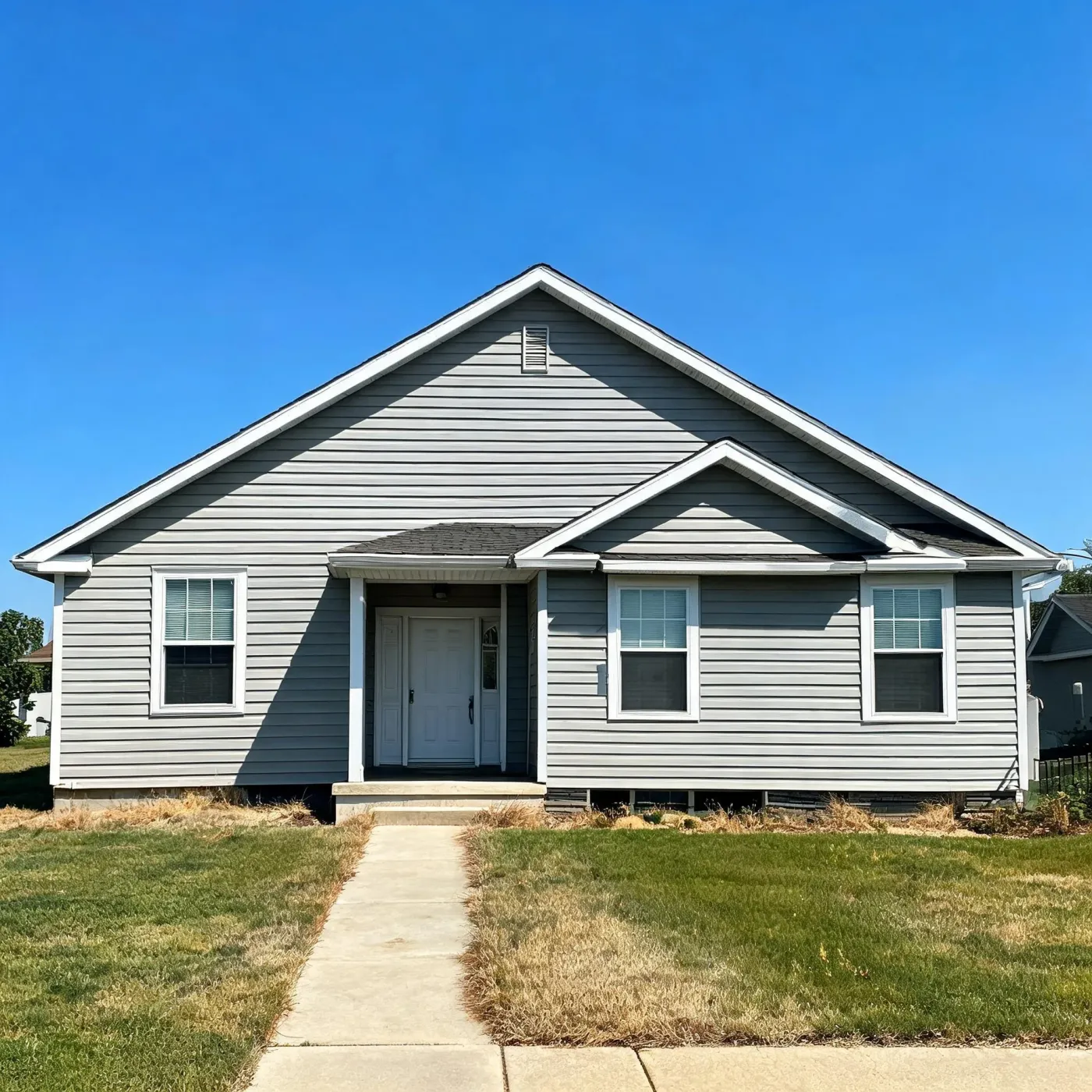
Single-story gray horizontal-siding house with white trim, gabled roof, white front door, and two windows, fronted by a concrete walkway through a patchy lawn under a clear blue sky.

NOAA's data puts the summer dew point here at an average of 63°F across June, July and August. That's heavy, damp air, the kind that makes your air conditioner pull a lot more moisture out of the house just to keep things comfortable. All that extra moisture passes right over the indoor coil. If airflow is already weak from a dirty filter or a closed vent, there's more water for that coil to freeze once it drops below freezing. That's part of why freeze-ups show up so often in the middle of summer here, not just on the hottest days but on the muggiest ones.

NASA POWER T2MDEW

Can I just pour hot water on the ice to melt it faster?

Can I just pour hot water on the ice to melt it faster?

No, let it thaw on its own with the system off

Hot water speeds nothing up in a way that helps you. It melts the surface ice while the coil underneath stays cold, and water running into a cabinet built to drain condensate, not a pour from a kettle, tends to end up somewhere you don't want it: on the blower motor, in the ductwork, down into the furnace below if that's how your system is stacked. A fan pointed at the coil with the system off does the same job without the risk. Either way the fix is time, not heat. Plan on a few hours before the coil is clear enough to check for what caused the freeze in the first place.

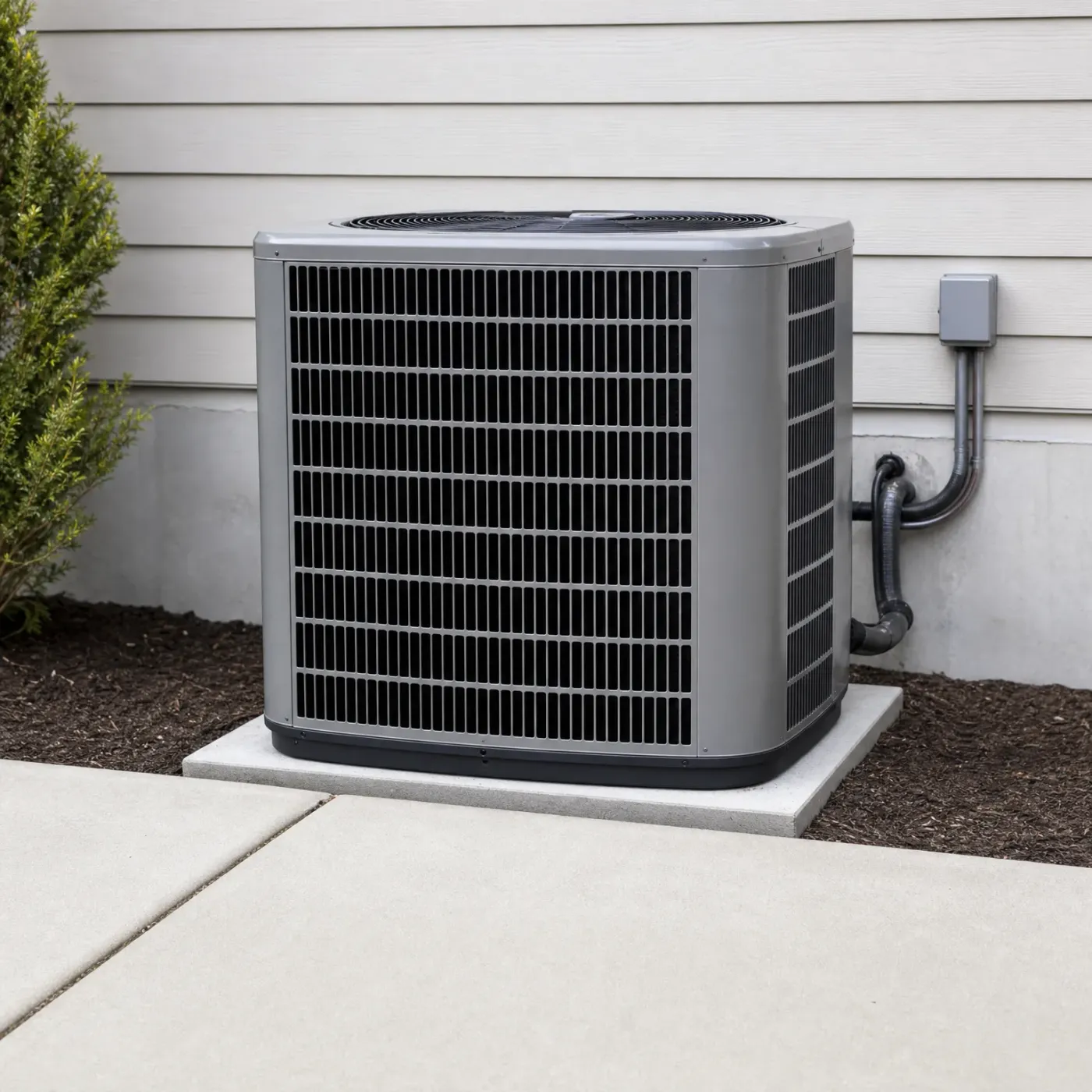
A gray outdoor air conditioner condenser unit sits on a concrete pad beside a house with horizontal lap siding, with conduit and an electrical disconnect box on the wall, dark mulch and a shrub to the left, and a concrete walkway in the foreground.
Clear fins, steady lines, no ice anywhere near the coil or the copper running into the house.
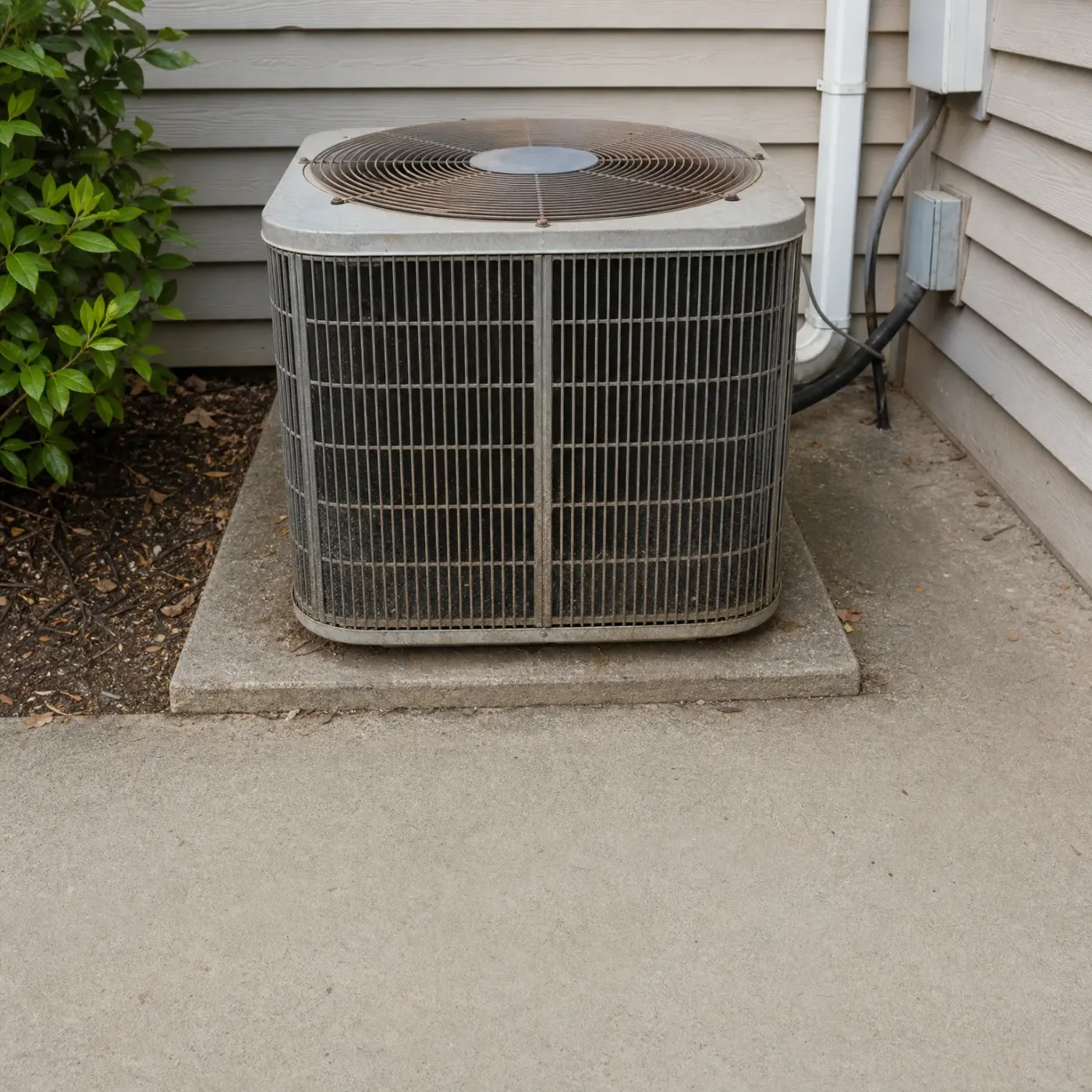
An outdoor air conditioning condenser unit on a concrete pad beside a house with horizontal lap siding, with a shrub and mulch bed to the left and conduit and a small electrical box on the wall to the right.
Dirt crusted on the grille and a disconnect box that's seen better days, the kind of neglect that invites a freeze-up.

Where things stand now

  • Airflow trouble, usually a dirty filter or closed vents, is what sends the indoor coil cold enough to freeze.
  • Once ice forms it keeps spreading, since the same restriction that started it is still there.
  • Turning the system off and letting it thaw fully protects the compressor from damage that costs more than the original fix.
  • A thawed coil just means the ice is gone, not that whatever restricted the airflow has been found.
  • Linn County summers run humid enough that a frozen coil in July can cost you a real chunk of the cooling you need most.
  • Clear fins, steady lines and no ice anywhere are what a coil that's moving air the way it should looks like.

Everything above points to the same place. Something is blocking airflow across the indoor coil, the coil got cold enough to freeze the moisture riding along in the air, and the ice has been building on itself ever since. That part of it is mechanical and it is the same in every house. What's different house to house is what's doing the blocking, a filter packed with dust, a vent that got closed and forgotten, a coil that hasn't seen a cleaning in years. Shutting the system off and giving the ice time to melt on its own is the right first move, and it is also where your part of this ends. A thawed coil tells you the ice is gone. It does not tell you why airflow dropped off in the first place, and until something answers that, the same freeze is waiting to happen again the next hot stretch. Cedar Rapids summers don't leave much room for that. The air is heavy enough most of June through August that your system is already working to pull moisture out of the house, and a coil that freezes during that stretch costs you cooling on days you actually need it. A unit running the way it should shows clear fins, steady lines and no ice anywhere near the coil or the copper. Getting back to that from here means finding what's actually restricting the airflow, not just waiting out the thaw.

A smiling middle-aged man in a dark green sweater sits at a candlelit table with a glass of red wine and a bowl of salad in the foreground.
A woman in a cream knit sweater reclines on a beige couch with eyes closed and a slight smile, a gray hardcover book resting open on a textured blanket over her lap, with a lit table lamp and a leafy plant in the dim background.

Air Conditioner Repair

Get the right pro for your air conditioner

One form replaces the calls you'd make to find an air conditioner pro.

A black smartphone standing upright against a plain light gray background, its screen filled with solid green.
Step 1 of 3: Equipment