After this form, you can stop searching for an air conditioner pro.
It's ninety degrees outside and your thermostat says you're five degrees off and not catching up. That's a hard sign something's wrong, not a day the system is just struggling. In Warren County, summer puts a real load on an AC, and once one is already behind, it tends to stay behind until someone gets eyes on it.
A system that can't keep up on a hot day is usually telling you something specific. It could be a weak capacitor, a refrigerant leak, a dirty coil, a failing fan motor. Some of those get worse fast. A unit running low on refrigerant can ice up the coil and then put out no cold air at all. The longer it runs in that state, the more it strains the compressor, which is the expensive part to replace.
You could start calling around Indianola for someone who answers, who's free this week, who actually works on your brand of unit. You could explain the same thing three or four times to three or four different shops, then sit with quotes that don't line up because nobody looked at the same thing. That's hours you don't have back, and the house stays hot the whole time you're spending them.
Send the request here instead and that search becomes someone else's job. You're not left refreshing your phone waiting on a callback from a company that might not even come out this week. A licensed contractor in your area gets what you told them, and you're done with the part where you track people down. What's left is the actual repair, and that part was always going to take a professional's hands. The part that ends now is the hunting.
When the AC runs nonstop and the house still climbs past the setting, the system is losing a fight it should be winning. On a mild day a weak unit can limp along and you might not notice. On a 90 degree day in Warren County, the load is too high to hide the problem, so the gap between the thermostat setting and the actual temperature shows up fast and keeps growing. Usually the cause is the system putting out cold air but not enough of it, or not enough cold air getting where it needs to go. That points to the refrigerant charge, the condenser coil outside, or airflow being choked off somewhere between the blower and the vents. A dirty filter or a coil caked with dirt can cause the exact same symptom as a unit that's low on refrigerant, and they call for different fixes. Left alone through a stretch of hot days, the system keeps running hard without catching up, which is wear it doesn't need.
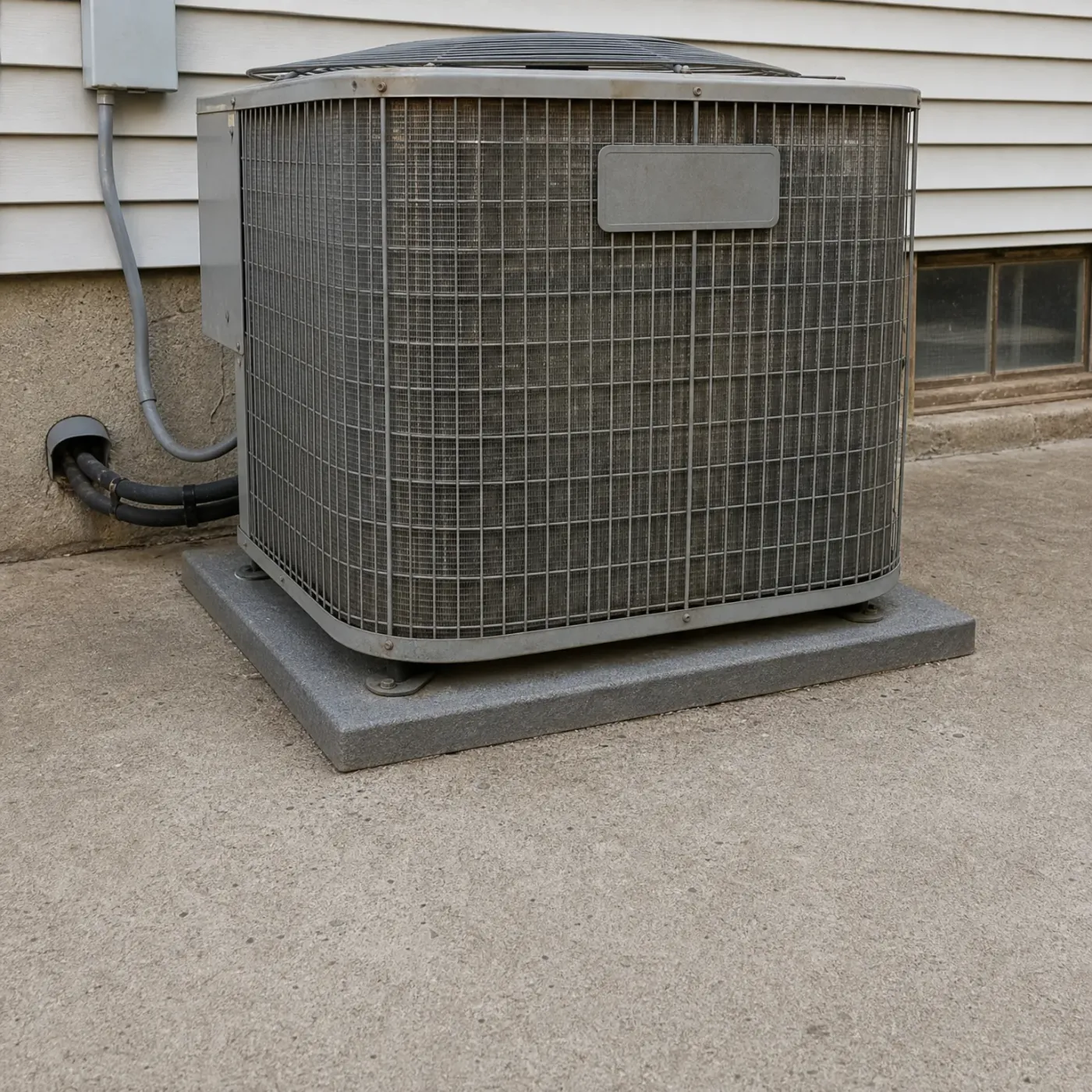
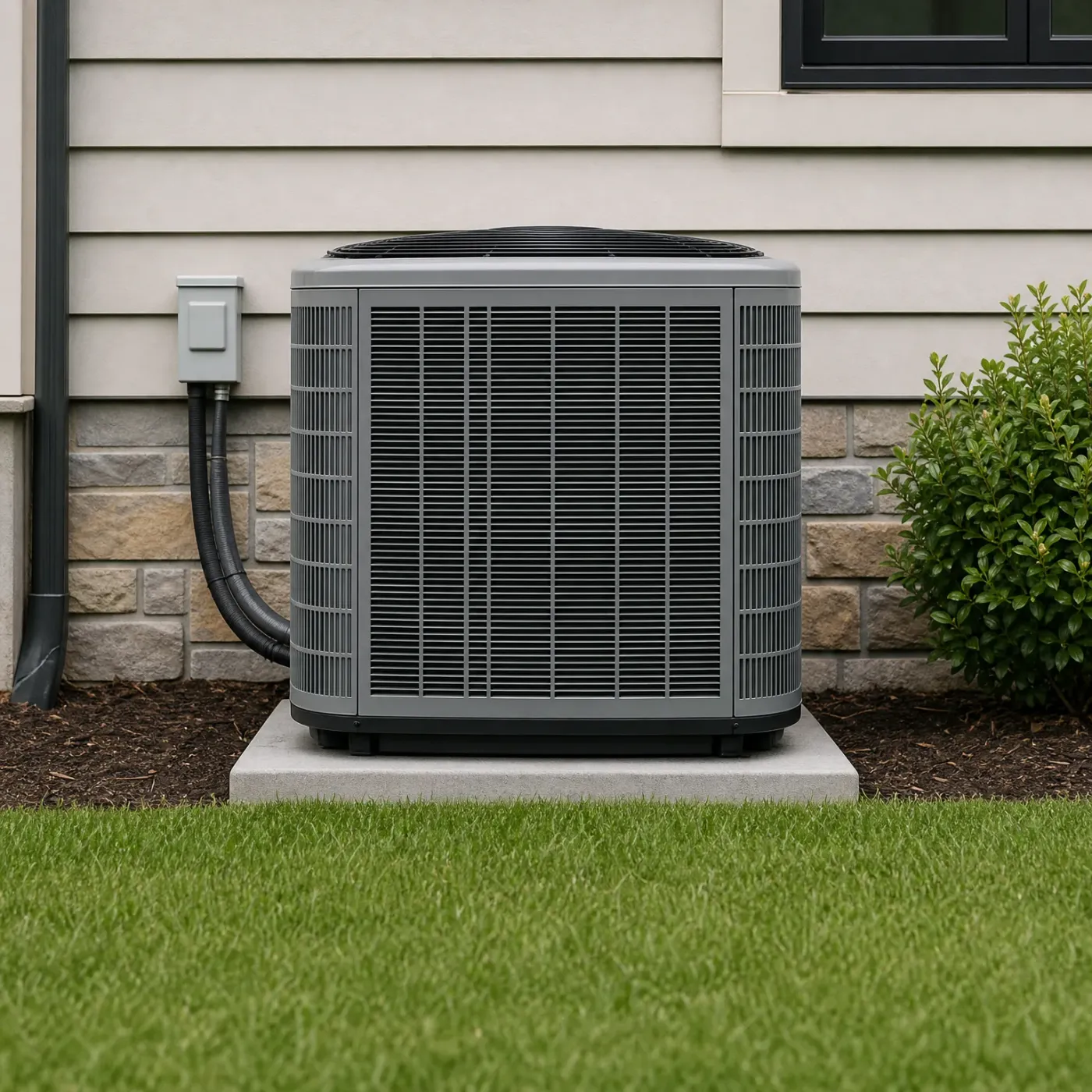
Before you get your air conditioner repairAfter you get your air conditioner repair
Why heat exposes a weak system
An air conditioner is sized to pull a certain number of degrees out of the house per hour. That number doesn't change whether it's 75 outside or 95. What changes is how much heat is pushing back in through the walls, the roof, and the windows. On a mild day a unit with a low charge or a failing capacitor can still move enough air to keep up, because the house isn't gaining heat as fast as the system removes it. Once the outdoor temperature climbs into the 90s in Warren County, that same weak system is asked to do the same job against a much bigger load, and it falls behind. The breakdown was already there. The heat just made it visible.
What a struggling unit costs you
A compressor or fan motor working harder than it should doesn't fail quietly. It runs longer to chase a setting it can't reach, cycles on and off more than it was built to, and wears the parts carrying that extra load faster than normal. Left alone through a Warren County summer, a small issue like a weak capacitor or a low refrigerant charge tends to turn into a bigger one, and a system that's limping in July is a worse candidate for August. Catching it at the five-degrees-off stage, rather than waiting for the unit to stop cooling altogether, is usually the difference between a repair and a system that needs to be replaced outright.
Send one request and you're done looking
Explain the air conditioner problem once instead of to every shop in Warren County.
Send it once and finding someone is no longer on you.
Heat rises, and on a 90 degree day in Warren County that shows up fast. The upstairs bedrooms run warmer than the thermostat reading downstairs, sometimes by several degrees. You might notice the air coming out of the vents feels less cold than it used to, or the system runs through the afternoon and into the evening without the house ever feeling settled. Some rooms get closed off because they're not worth cooling. A unit that can't keep up has to work harder to move the same amount of heat, and running that hard for that long, day after day, is what pushes a struggling part toward failing outright.
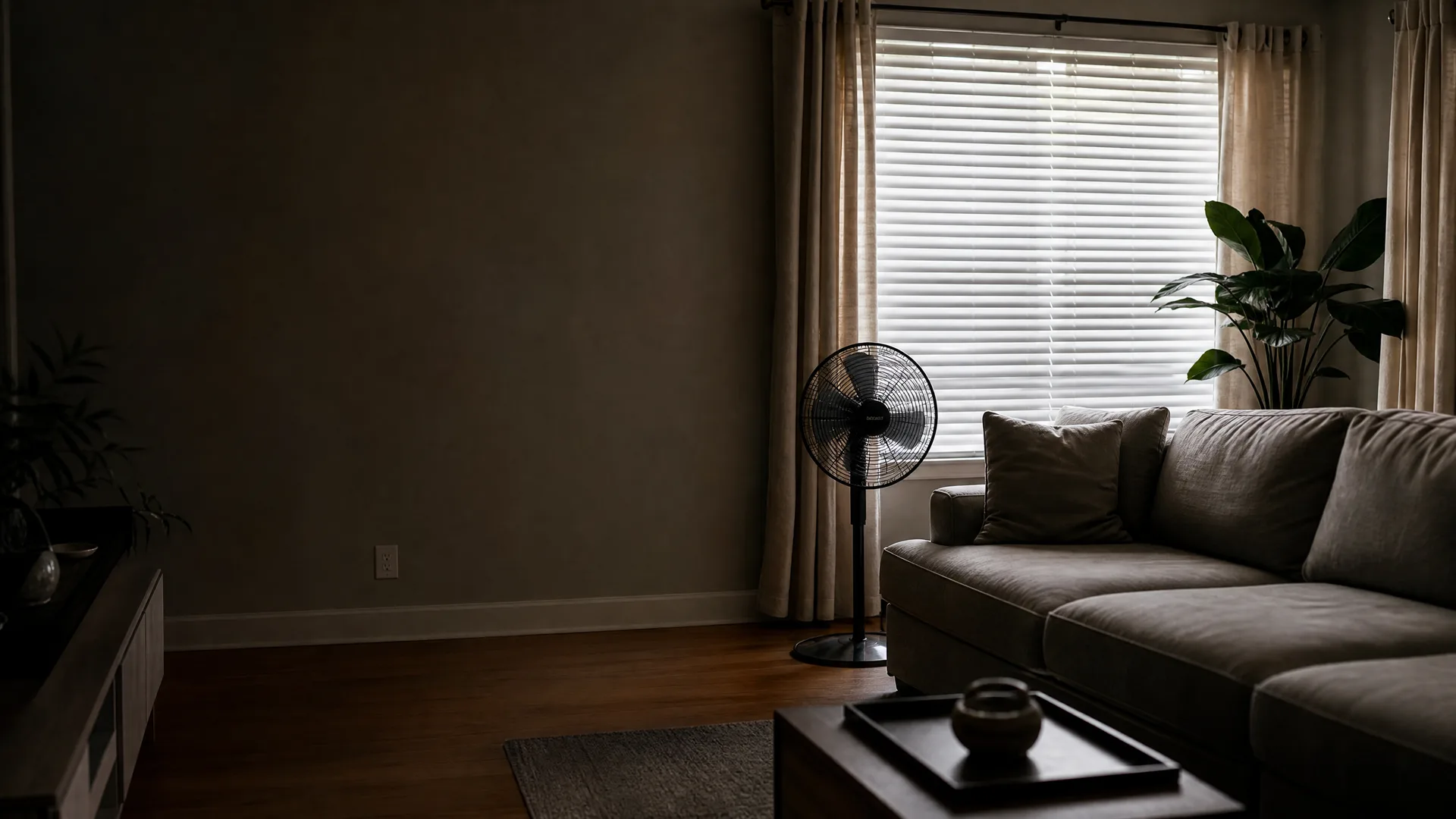
By three in the afternoon you've given up on the blinds doing much good, but you keep them shut anyway. The fan is turned toward the couch, pushing the same warm air around. You can hear the AC running outside, it hasn't shut off since lunch, and the thermostat still reads four degrees over what you set it to. Your shirt is sticking to your back even sitting still. Out the window the street is empty, everyone's inside doing the same thing you are, waiting on a machine that isn't winning. You reach over and bump the fan up a notch, knowing it won't do anything the next one didn't.
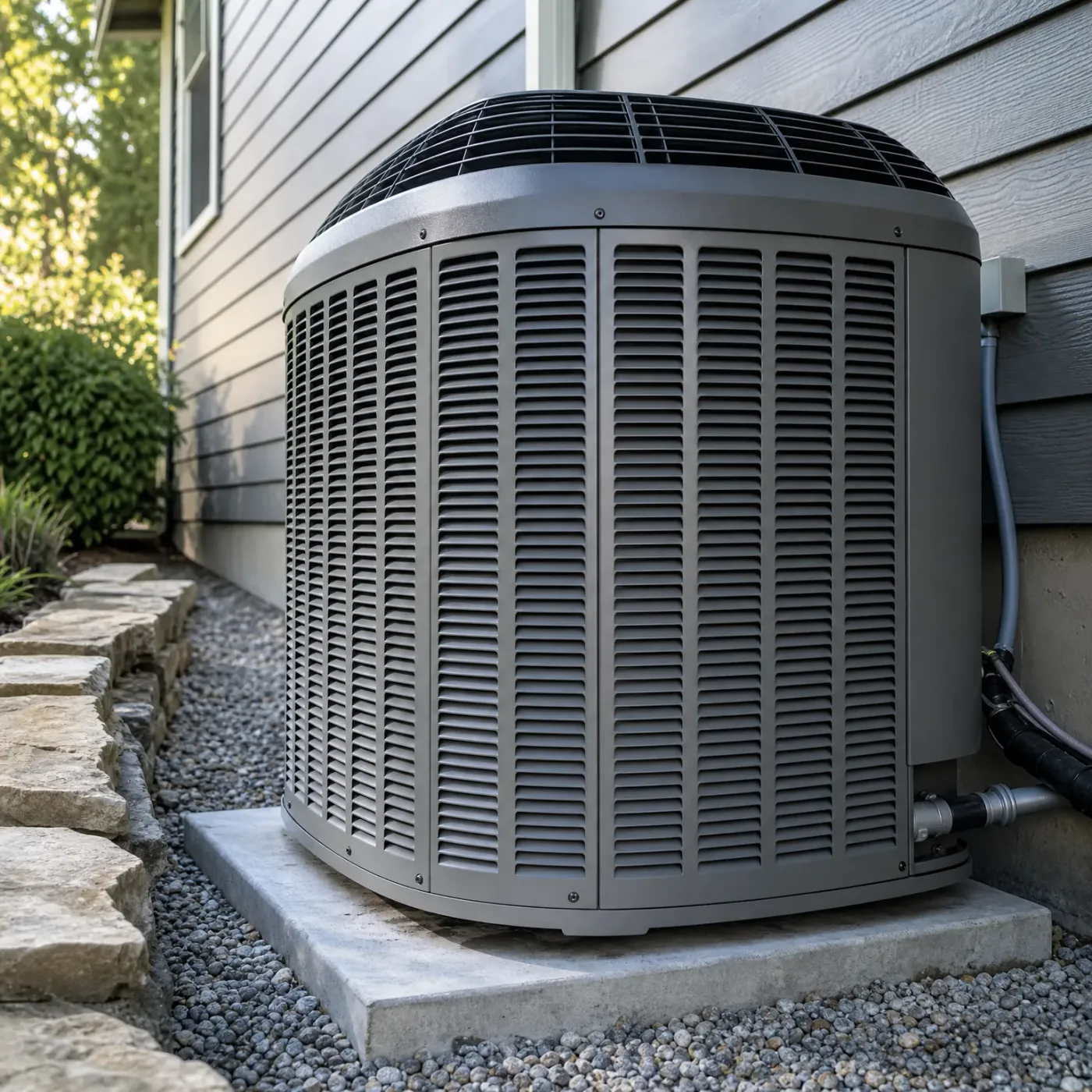
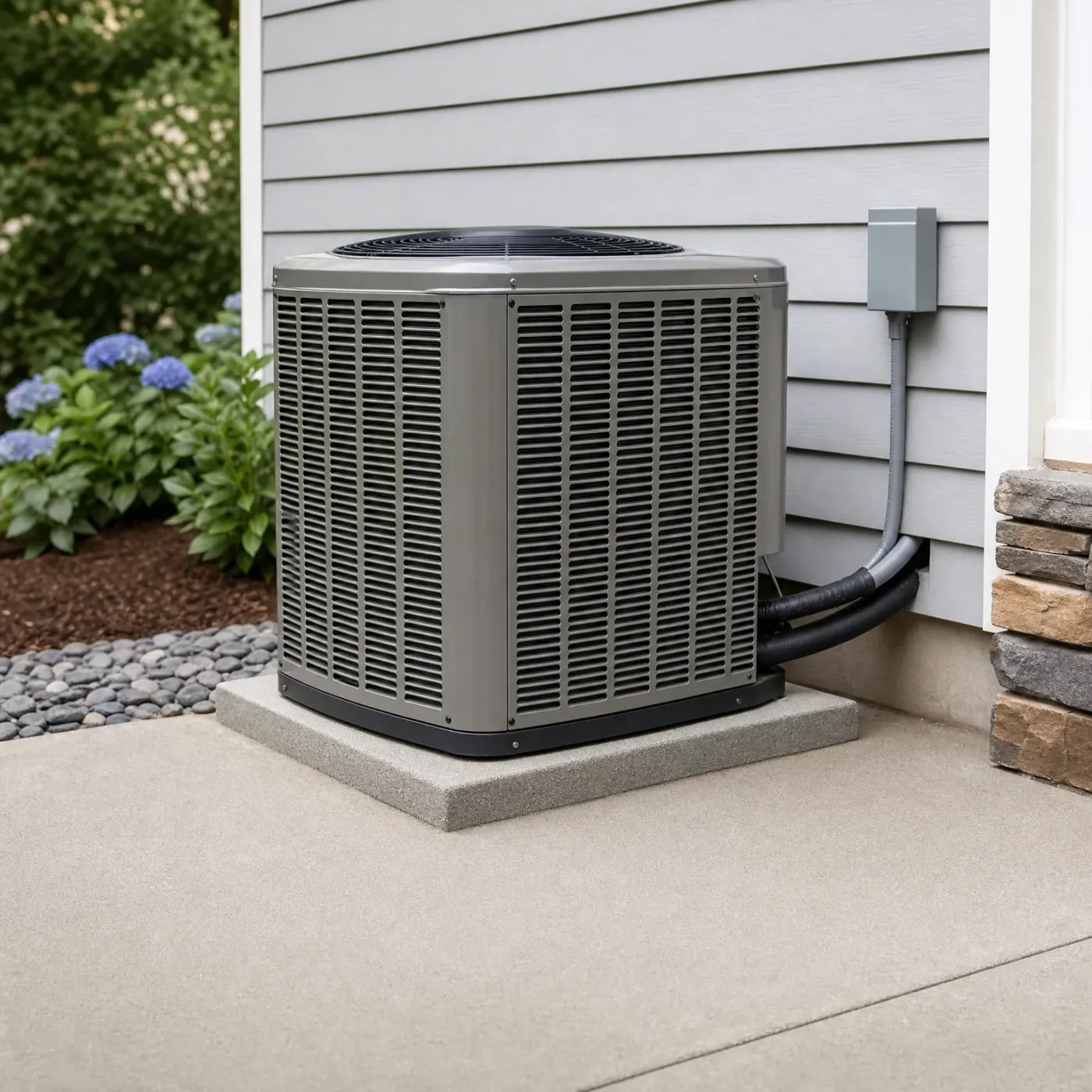
A clean condenser with good airflow around it can pull the heat out of the house even when it's ninety outside.
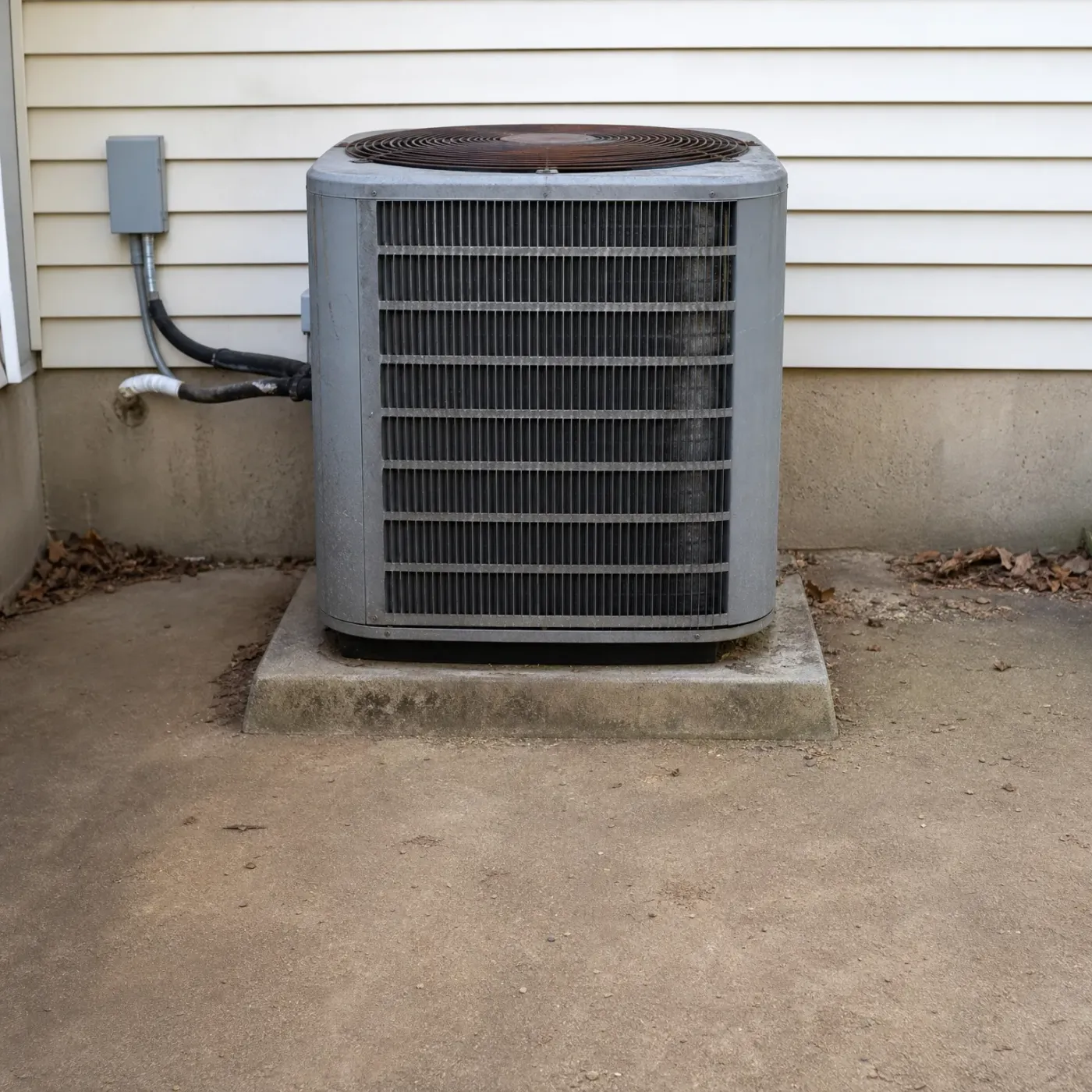
Rust on the shroud and dirt packed in the fins choke the airflow a unit needs most on the hottest days.
1
A tech checks the refrigerant charge against what the system needs.
2
A tech tests the capacitor and contactor for a weak start signal.
3
A tech cleans the condenser coil and straightens any blocked fins.
4
A tech measures airflow across the evaporator coil inside.
Cooling runs June through September
Four months a year, your AC is the only thing standing between you and the heat. That's not a lot of runtime to catch a weak system before it matters. June through September is also when a struggling unit gets found out fast, so repairs made now carry the rest of the summer.
NOAA nClimDiv 1991-2020
Riding it out another summer
The AC keeps running, the house still sits above the setting, and you check the thermostat again hoping it changed. It hasn't. You call around when you get a minute, explain the same problem to a couple of different shops, and wait on quotes that take days to show up. Meanwhile the hottest part of the Warren County summer is the part you're trying to get through, and the unit is working against it every afternoon without catching up. Nothing gets better on its own, and the next 90 degree day asks the same system to do the same losing job again.
Getting it looked at now
You send one form instead of making calls, and finding someone to look at the unit stops being something you have to manage. A contractor checks the charge, the capacitor, the airflow, the parts that actually decide whether the system keeps up on a hot day. Whatever's dragging it down gets found and fixed instead of guessed at. The house catches up to the thermostat instead of falling further behind it, and you stop watching the temperature climb every afternoon wondering if today's the day it finally keeps pace.
That heat isn't just hot, it's heavy. Warren County summers sit at a 63°F dew point on average across June, July and August, according to NOAA climate data, and that moisture is why the air inside feels thick even after the thermostat says it hit the set point. An AC does two jobs at once: it pulls heat out and it wrings moisture out of the air. A unit that's lost some capacity can still get the temperature close, but it runs out of pull before it finishes the moisture, and the house ends up cool and clammy instead of just cool.
NASA POWER T2MDEW
An AC that can't keep up has a reason, and the reason has a fix
A system struggling on a 90 degree day in Warren County is telling you something specific. Low refrigerant, a weak capacitor, a dirty coil, blocked airflow at the evaporator. Each one shows up the same way, a house that won't hit the setting no matter how long the unit runs. Finding which one it is takes a tech with gauges and a meter, not another day of waiting to see if it sorts itself out.
You don't have to find that tech yourself. No searching through listings, no calling three different shops and repeating the same description of a house that won't cool down, no sitting on quotes trying to guess which one is being straight with you. Send the form once and that work is off your plate. What's left is a system that pulls the heat out of your house the way it was built to, on the hottest afternoon of the year and every one after it.
Finding a pro stops being your job
Skip calling shops to ask who repairs air conditioners in Warren County.